
What a Therapist Wants You to Consider If You're Contemplating Starting GLP-1s
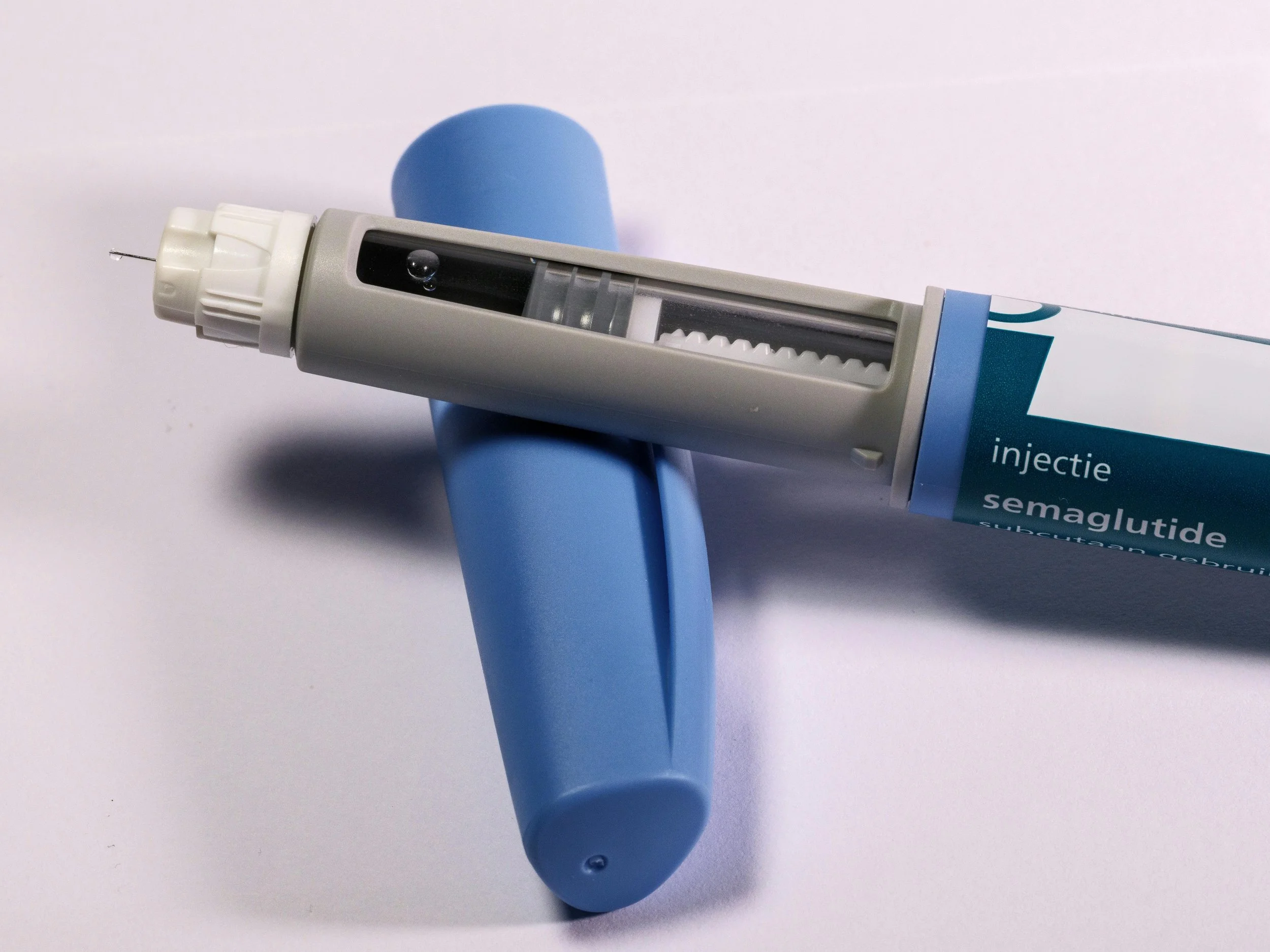
GLP-1 receptor agonists like Ozempic, Wegovy, and Mounjaro, are gaining widespread attention.
Originally designed to treat Type 2 diabetes, many people are now using them for weight management and other metabolic health concerns. These medications can offer important medical benefits, especially when prescribed to address indicators like elevated A1C, cholesterol, or liver enzymes. But they also have side effects that should be considered with fully informed consent.
As therapists, we're not here to offer medical advice. That’s your doctor’s role. But as holistic therapists, we do want to offer a mental health perspective to keep in mind if you’re thinking about starting a GLP-1. These medications can impact your relationship with food, mood, and body.
It’s important that decisions about your health include both physical and emotional well-being.
1. Health Is More Than a Number on the Scale
If your healthcare provider is recommending a GLP-1 based on lab results, it’s appropriate to take that seriously. These medications can help reduce health risks related to insulin resistance, liver function, and cardiovascular markers.
That said, if weight loss alone is the main focus, take a step back and consider the broader picture. As HAES therapists, we know weight is only one part of health, and not the most important one. Mental health, sleep, energy, relationships, and emotional connection to food and your body all deserve equal consideration.


2. Caloric Restriction Can Affect Your Mood and Mental Health
GLP-1s tend to reduce appetite and lead to lower food intake, which is part of how they work. But reduced intake, especially if it happens quickly or without planning, can lead to:
Changes in mood or increased emotional sensitivity
Difficulty concentrating
Disrupted sleep
Fatigue or low energy
Increased anxiety or irritability
These shifts can be especially challenging if you have a history of depression, anxiety, or trauma. Sometimes clients feel caught off guard by how much a change in appetite can impact emotions and functioning.

3. If You’re in Recovery from an Eating Disorder, Move Thoughtfully
For people with current or past disordered eating patterns, GLP-1s can be sticky territory. Some people use GLP-1s as an new form of restriction, which is not how they are intended to be used. Unfortunately, many doctors fail to screen for eating disorders when prescribing GLP-1s.
For those in recovery from an eating disorder, the body changes and appetite suppression that comes with GLP-1s may be emotionally complex. The experience can closely resemble restriction-based coping strategies from earlier in their lives.
This doesn't mean you can’t take GLP-1s if you’ve had an eating disorder. It does mean you’ll want to go into the process with eyes open and strong support from your care team and social circle. It’s worth having a conversation with your therapist and prescriber about how to monitor your mental health, stay connected to body cues, and support your relationship with food.
4. Mood Disorders and Appetite Are Closely Linked
For clients with mood disorders like bipolar disorder, PMDD, anxiety, or major depression, it's important to know that appetite and sleep are key mood stabilizers. A sudden drop in food intake can throw off these rhythms and increase vulnerability to symptoms like:
Emotional lability
Sleep disruption
Increased anxiety
Hypomanic or depressive episodes
This doesn’t mean GLP-1s are off the table. If you’re already managing mood symptoms with therapy or medication, check in regularly with your providers as you adjust to any changes.

5. Be Sure This Treatment Aligns With Your Values
Often in all the cultural noise around popular medications, people are prone to thinking in black or white terms.
But few things are that clear.
As holistic therapists, we want you to consider what some of your values are and how they inform your medical choices.
Are your values centered around community, service, compassion, and integrity? What about humor, adventure, comfort, or family? Take a few minutes to write out five of your most cherished values, and then consider how this medication aligns or doesn't align with those values.
6. You Deserve Full, Informed Consent For Your Medical and Mental Health Care
As with any medication, understanding both the benefits and the risks of GLP-1s is key. Informed consent means making decisions based not only on short-term outcomes (like weight change) but also long-term goals like mood stability, energy, a balanced relationship with food, and sustainable well-being.
Consider asking your provider about:
What side effects are common and how to handle them
How GLP-1s may impact your mental health, sleep, and energy
Plans for monitoring labs, mood, and nutritional needs
Strategies for stopping the medication, if needed
Whether GLP-1s are being recommended based on biomarkers (like A1C or liver enzymes) or primarily weight
You’re allowed to take your time with this decision. You’re allowed to gather information, ask questions, and explore what’s right for your whole self—body and mind.
Holistic Therapy In San Francisco, Los Angeles, and Throughout California and Florida
GLP-1 medications can be part of a responsible, evidence-based treatment plan for health concerns. For many, they lead to positive health outcomes. At the same time, like any medication, they come with potential risks, especially for mental health.
If you’re considering starting a GLP-1, check in with your care team, including your therapist if you have one. Be sure you are making an informed, values-aligned decision that considers your physical and emotional health together.
Need support in making a fully informed decision?
Our holistic therapists are here to support clients exploring body image, eating habits, and the emotional side of health-related decisions. Schedule a free consultation to get grounded before taking the next step.



















Obsessively checking your Oura ring, HRV, or glucose data? Learn why constant health tracking can fuel anxiety and how holistic therapy can help.