Using The Enneagram in the Workplace: Dos and Don’ts
The Enneagram isn’t just a fun personality typing system; it’s a dynamic, trauma-informed model. It can create real transformation at work when used intentionally. Whether you’re a leader, team member, or just someone looking for personal growth, using the Enneagram can deepen relationships and improve communication.
When misapplied, however, it can oversimplify people’s experiences and cause harm. Here’s how to use it thoughtfully, with real-world “dos and don’ts” and examples of how to replace unhelpful language with something more useful.

Laurel van der Toorn, LMFT
Laurel’s therapy practice is integrative in nature. Alongside traditional methods like talk therapy and EMDR therapy, she integrates holistic therapy, Enneagram therapy, and other tools that allow clients to connect with all aspects of themselves.

Alexis Harney, LMFT
Alexis is an Enneagram therapist who helps people in California & Florida become the best versions of themselves. As an Enneagram therapist, she sees the foundational value of not pathologizing fears and behaviors. Enneagram therapy provides a clear path for growth without feeling overly clinical.
What is the Enneagram?
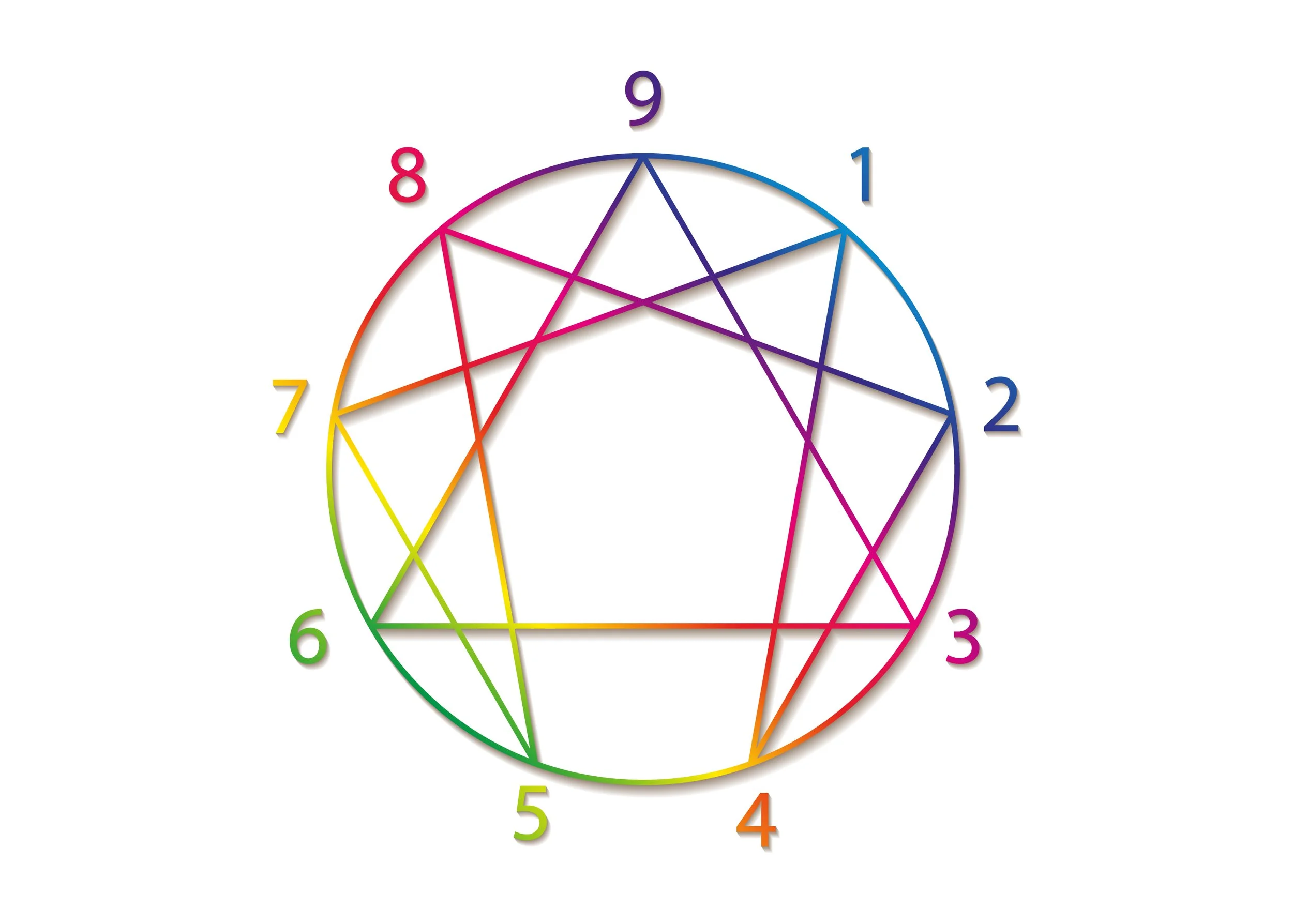
The Enneagram is a personality system that outlines nine core types, each defined by a central motivation, core fear, and growth path. Unlike other personality frameworks that focus on traits or behaviors, the Enneagram is more interested in why we do what we do. It’s a tool that supports self-awareness and relational growth, making it useful in both personal and workplace settings.
How Do I Determine My Enneagram Type?
While it may be tempting to take an online test to find your type, most Enneagram therapists recommend reading about all nine types and noticing which ones resonate most deeply. Your Enneagram type isn’t about surface-level preferences; it’s about internal patterns that form early in life. These early experiences continue to shape your career and relationships.
Understanding your type and the types of those around you can create meaningful shifts in how you communicate, lead, collaborate, and care for yourself.
Do: Treat the Enneagram as a Growth Tool, Not a Label
Once you understand the nine type system, you need to apply it carefully. The Enneagram is best understood as a framework for self-awareness and growth, not a fixed identity. While most Enneagram experts agree that your core type cannot change, your job is to become the healthiest version of your type you can be. Working with an Enneagram therapist can help you unpack the motivations that drive behavior, which is exactly what makes the Enneagram so valuable in the workplace.
Use it to help team members:
Explore their reactivity under stress
Improve interpersonal communication
Recognize both their gifts and their blind spots
Teams that use the Enneagram well aren’t assigning roles based on type; they create space for every person to grow and stretch in meaningful ways.
Don’t: Use The Enneagram to Justify Problematic Behavior
Understanding your type should lead to growth, not excuses. If you find yourself using your Enneagram number to justify difficult behavior, it may be time to pause.
Ineffective: “I’m a Type 8; I can’t help being blunt.”
Try instead: “As an 8, I value honesty, but I want to make sure I’m also being respectful and collaborative.”
Ineffective: “I’m a Type 9, so I avoid conflict. That's just how I’m wired.”
Try instead: “Conflict can feel overwhelming for me, but I know avoiding it isn’t always helpful. I’m working on staying present during tough conversations.”
This is where Enneagram therapy can really help. A trained Enneagram therapist or coach can help you understand how your type copes with stress, defends against vulnerability, and how to shift into healthier patterns—especially at work.
Do: Introduce The Enneagram With Context and Consent

If you're bringing the Enneagram into your workplace, make sure you explain:
What the Enneagram is and isn’t
Why you're using it
How it will (and won’t) be used
Invite, don’t require. Some people may be excited to explore their type, while others may be hesitant or unsure. Respect their pace.
Want a helpful starting point? Consider bringing in a professional Enneagram therapist to facilitate a workshop focused on personal insight.
Don’t: Use The Enneagram in Hiring or Promotions
The Enneagram should never be used as a filter for hiring or advancement. That’s a misuse of the tool and can reinforce bias. While Enneagram type is not a protected class, using Enneagram type to make hiring decisions is too prone to oversimplification.
Ineffective: “We’re really looking for a Type 3 for this role—they’re more driven.”
Try instead: “We need someone who thrives on goals and deadlines. Let’s look for those traits in the candidate’s experience, not assume based on Enneagram type.”
Every type brings value. A healthy Nine can be an incredible mediator. A grounded Four can bring unmatched creative insight. A well-integrated Six can build strong systems of trust and safety. The goal is not to find “ideal types” but to support people in moving toward growth.
Do: Use the Enneagram to Support Culture Shifts
The Enneagram can shine a light on culture dynamics that aren’t always obvious.
For example:
A team full of Twos may be highly empathetic but struggle with burnout
A work culture dominated by Threes may value image and achievement but ignore deeper emotional needs
A conflict-avoidant environment may be comfortable for Nines but frustrating for Eights and Ones
By working with an Enneagram therapist, teams can begin to name these dynamics and intentionally shift how they relate to one another.

Don’t: Type People Without Their Input
Guessing or assigning someone’s Enneagram type is not only inaccurate; it’s invasive and reductive. You’re observing behaviors, but only they know the internal motivations driving those actions.
Ineffective: “You’re so organized—you’re definitely a One.”
Try instead: “You seem to care a lot about quality and doing things right. Have you ever looked into the Enneagram?”
Even well-intentioned assumptions can backfire. Let people type themselves and support their own exploration.
Do: Encourage Ongoing Self-Awareness
The most powerful workplace changes come from individuals who are curious about their growth edges. Encourage journaling, reflection, and even professional support to work through deeper patterns like conflict avoidance, imposter syndrome, people-pleasing, or control issues that show up at work.
When teams create space for this kind of insight, trust increases and performance often improves as a natural result.
Enneagram Therapy, Coaching, and Speaking


The Enneagram can be a fantastic tool for building healthier teams, but it must be used with care. When applied thoughtfully, it can help people understand one another more deeply, work together more effectively, and reduce workplace stress.
If you're ready to bring the Enneagram into your workplace or deepen your own understanding with the help of an Enneagram therapist, we’re here to help.
Our team offers Enneagram therapy and workshops designed to support your team development and relationships. Whether you’re curious about how your type affects your leadership, communication, or stress response, we’re here for you. Schedule a free consultation to connect with an Enneagram therapist today.
The Enneagram is a roadmap like no other to becoming the best version of yourself.
We offer Enneagram Therapy for people in California, Colorado, Florida, Michigan, & Washington
Schedule a consultation and start your journey today.







The Enneagram is often treated like a personality quiz. But at its core, it is a map of human motivation, emotional patterns, and early adaptations. Many people are surprised to learn how deeply the Enneagram aligns with trauma-informed care.