
Why EMDR Feels Worse Before It Gets Better

You started EMDR therapy hoping to feel better. Instead, you feel worse.
Maybe you're more tired than usual. Maybe old memories are surfacing at inconvenient times. Maybe the anxiety you came in with feels louder, not quieter, and you're starting to wonder if you made a mistake.
You didn't.
What you're experiencing is one of the most common and least-explained parts of trauma therapy. Understanding why EMDR feels worse before it gets better doesn't make the discomfort disappear, but it does make it feel less frightening. And that shift, from "something is wrong" to "something is happening," is often where the real work begins.
If you feel much worse after an EMDR therapy session and are considering ending your life, please call 988 (US only) or go to the nearest hospital.

The Short Answer: Why EMDR Sometimes Feels Worse First
EMDR asks your brain to do something it has been actively avoiding for years: fully access and reprocess traumatic memories.
When that process begins, the nervous system responds. Stored emotions, body sensations, and fragmented memories that have been locked away start moving again. For many people, that movement feels uncomfortable before it feels like relief.
This is not a sign that EMDR is harming you. For most people, it is a sign that the process is working.
The temporary increase in distress typically settles as the memory finishes processing. What comes after is usually a reduction in anxiety, fewer intrusive thoughts, and a nervous system that no longer has to work so hard to keep old pain contained.
Not Everyone Feels Worse After EMDR Therapy!
Feeling worse doesn’t always happen. In some cases, for simpler targets or when working with a super-processor, a whole memory can get processed in a single session.
Most often, we hear that people feel tired and slightly overwhelmed but not flooded by their processing sessions.

Why Trauma Processing Creates Temporary Discomfort
Trauma memories are not stored the way ordinary memories are.
When something overwhelming happens, the brain's normal processing system gets bypassed. Instead of filing the experience as a completed event, the brain stores it in fragments: sensory images, emotional charges, physical sensations, and deeply held negative beliefs like "I am not safe" or "I am to blame."

Alexis Harney, LMFT
Alexis is an EMDRIA-certified EMDR therapist who works with adults navigating trauma, anxiety, and the long aftermath of experiences that never fully resolved. She helps clients understand what's happening in their nervous system during EMDR processing so that discomfort feels less alarming and more workable. She sees clients online throughout California and Florida.
Those fragments stay in the nervous system, unprocessed, sometimes for decades. They drive anxiety, hypervigilance, shame, and reactivity, often without the person fully understanding why.
EMDR therapy works by helping the brain return to those fragments and complete the processing that never finished. During that return, the material briefly reactivates.
That reactivation is what people feel as EMDR getting worse before it gets better. It is not regression. It is the brain finally doing the work it couldn't do when the trauma first occurred.
What "Feeling Worse" Actually Looks Like
The temporary increase in distress during EMDR can take different forms for different people. Common experiences include:
Fatigue after sessions that feels heavier than usual
Vivid or unusual dreams in the days following a session
Old memories surfacing unexpectedly between appointments
Feeling emotionally raw or more reactive than normal
Heightened body awareness; tension, restlessness, or a sense of heaviness
A temporary uptick in anxiety or intrusive thoughts
None of these experiences mean EMDR is making you worse in any lasting sense. They are signs that the brain is actively processing material that was previously stuck.
Most clients find that these experiences settle within a day or two after a session. And over time, as processing continues, the intensity of those between-session reactions tends to decrease.

"I Thought I Was Falling Apart"
Priya* had been in EMDR therapy for about three weeks when she called her therapist in a panic. She had just had a vivid dream about her mother that left her shaking, and she had cried twice at work for reasons she couldn't explain.
She was sure something had gone wrong.
Her therapist asked her a few questions. When had she last cried at work before starting EMDR? Priya thought about it. Not in years, she said. She had learned to go numb instead.
Her therapist explained that what she was experiencing was actually a sign that her nervous system was thawing. The numbness had been protective. Now that they were working through the memories underneath it, her emotional system was coming back online.
It didn't feel like progress. But it was.
Four weeks later, Priya reported that the vivid dreams had stopped. The grief she had been carrying about her mother was still there, but it felt cleaner. Less like a wound she was always bracing against.
*Name and identifying details changed.
The Window of Tolerance: Why Pacing Matters
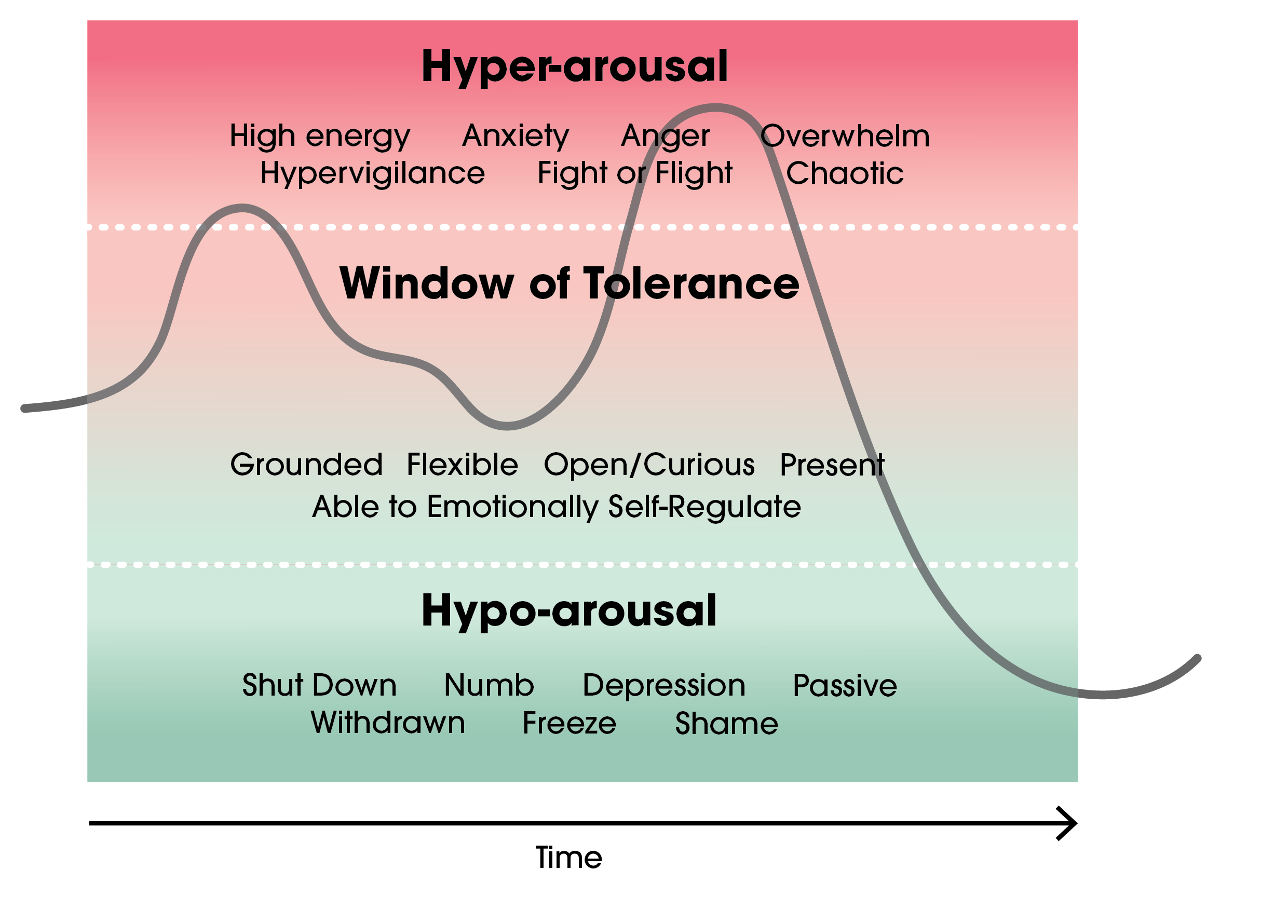
Trauma therapists use a concept called the window of tolerance to describe the zone in which healing is possible.
When someone is inside their window, they can access difficult emotions and memories without being overwhelmed. They can feel things without shutting down or spinning out.
When someone is pushed outside their window, either into hyperactivation (panic, flooding, intense reactivity) or hypoactivation (numbness, dissociation, shutdown), processing cannot happen effectively.
A skilled EMDR therapist monitors your window throughout every session. If you're getting pushed outside it, the pace slows. More stabilization work happens. The goal is never to bulldoze through pain. It is to keep you inside the zone where your brain can actually integrate what it's reprocessing.
When EMDR feels worse before it gets better in a manageable way, that is usually within-window distress. It is uncomfortable but workable. When EMDR feels destabilizing in ways that persist for days, that is a signal to talk to your therapist about adjusting the pace.

What Happens Between Sessions
One thing that surprises many people about EMDR is that the brain doesn't stop processing when the session ends.
After an EMDR session, the reprocessing often continues in the background. This is why the days following a session can feel emotionally active even when nothing upsetting has happened in your day-to-day life.
You might notice:
Dreams that seem connected to the memory you worked on
Sudden insights or new ways of thinking about an old experience
A shift in how a trigger affects you, even before you expected to feel better
Emotional sensitivity that eases as the week goes on
This between-session processing is a feature of EMDR, not a bug. It means your brain is doing real work. Most clients find that by the time they return for their next session, something has already shifted, even if they can't fully articulate what.

Daniella Mohazab, AMFT
Daniella works with adults and couples navigating trauma, anxiety, burnout, and the kind of long-held pain that doesn't always have a clear origin story. In her EMDR work, she emphasizes building a strong foundation before processing begins, so clients feel equipped to handle what comes up between sessions. She sees clients online throughout California.
When the Shift Finally Came
Marcus* came into EMDR therapy for what he described as a low-level dread that had followed him for most of his adult life. He was functional and successful, but there was always an undercurrent of bracing, a sense that something bad was about to happen.
His first few weeks of processing were hard. He felt more on edge, not less. He had trouble sleeping. He called his therapist twice between sessions.
His therapist reassured him that what he was experiencing was consistent with how EMDR works for people with long-standing anxiety rooted in early experiences. The material was old and layered. Moving it would take time.
Around week six, Marcus noticed something different. He was sitting in a meeting at work, waiting for the familiar knot in his chest to show up, and it didn't. He got through the whole meeting without bracing.
He wasn't cured. There was still more to process. But for the first time in as long as he could remember, the dread felt like something that had happened, not something that was always about to happen.
*Name and identifying details changed.

Tatevik Sarkisian, AMFT
Tatevik brings warmth and steadiness to her trauma work with clients navigating anxiety, burnout, and complex emotional histories. She pays close attention to how each client's nervous system responds between sessions, and adjusts her approach to make sure EMDR processing stays within a range that feels challenging but not destabilizing. She sees clients online throughout California.
When to Talk to Your Therapist
Temporary discomfort during EMDR is normal. But there are situations where it's worth raising with your therapist, sooner rather than later:
Distress that lasts more than a few days after a session without letting up
Feeling unable to function at work or in relationships because of what is coming up
Dissociation or numbness that wasn't present before starting EMDR
A sense of emotional flooding that doesn't settle
Feeling unsafe or destabilized in ways that feel beyond manageable
None of these mean EMDR was wrong for you. They mean the pacing needs to be adjusted, or more stabilization work needs to happen before processing continues.
A good EMDR therapist will welcome that conversation. If you're not sure how to bring it up, our post on what to do when EMDR isn't working has some helpful guidance.

Common Misconceptions About EMDR Getting Harder
"If it's getting harder, I should stop."
Not necessarily. The discomfort of early EMDR processing is usually temporary and meaningful. Stopping prematurely often means leaving traumatic material partially accessed without completing the reprocessing, which can feel worse than not starting at all. Talk to your therapist before making that call.
"I must be doing it wrong."
EMDR is not something you can do wrong by feeling things. In fact, the only thing you can possibly do wrong as an EMDR client is not tell your therapist the truth. The rest is up to them. If memories are surfacing and emotions are moving, that is the process working. What you do between sessions, resting, staying grounded, keeping your therapist informed, matters more than trying to control what comes up.
"This means my trauma is too bad to heal."
It doesn't. More intense or layered trauma often produces a more active processing phase. That is not a ceiling on your healing. It is the nature of the work. Our post on EMDR for complex trauma goes into more detail on what that process looks like.
"EMDR should feel peaceful."
Healing from trauma is not always peaceful, especially in the middle of it. EMDR is not meditation. It is active neurological reprocessing. The goal is not comfort in the moment; it is lasting relief afterward.

Feeling Worse Can Mean You're Healing
There is a particular kind of courage required to stay in EMDR therapy when it feels harder before it feels better.
You are asking your nervous system to do something it has been protecting you from for a long time: fully feel and process experiences it set aside to keep you functioning.
That process is real work. It makes sense that it is not always easy.
What most people find, once they come out the other side, is that the things that used to trigger them have lost their charge. The memories are still there. But they feel like the past, instead of something that is still happening.
That shift is what EMDR is working toward. The discomfort along the way is often part of how it gets there.

EMDR Therapy in San Francisco, Los Angeles, and Throughout California and Florida
At Laurel Therapy Collective, we specialize in trauma therapy and EMDR for adults, high-functioning professionals, and people who have been carrying something heavy for a long time.
We take preparation seriously. We pay attention to pacing. And we are transparent with our clients about what to expect during processing, including the parts that feel harder before they feel better.
If you are in California or Florida and want to talk with an EMDR therapist about whether this approach is right for you, we would love to connect.
► Schedule a free consultation

Frequently Asked Questions
Why does EMDR feel worse before it gets better?
EMDR works by helping your brain reprocess traumatic memories that were stored in a fragmented, incomplete way. When the reprocessing begins, those memory networks become temporarily active again. That activation can sometimes feel like an increase in anxiety, vivid dreams, emotional rawness, or intrusive thoughts. For most people, this phase is temporary. As the memory finishes processing, the emotional charge attached to it decreases, and symptoms settle.
How long does the "worse before better" phase last in EMDR?
It varies depending on the person, the complexity of the trauma, and how the processing is paced. For some people, the more intense phase lasts a few sessions. For others, particularly those working through complex or longstanding trauma, it may be more gradual. Most clients notice that between-session distress becomes less intense over time as processing continues. Your therapist will monitor your reactions and adjust pacing as needed.
Is it normal to feel more anxious after an EMDR session?
Yes, it is common. After an EMDR session, the brain often continues processing in the background, which can increase emotional sensitivity or surface new material. This is part of how EMDR works. Most clients find that these reactions ease within a day or two. If anxiety after sessions is consistently lasting longer than that or feels unmanageable, it is worth discussing with your therapist so the pacing can be adjusted.

How do I know if EMDR is making things worse permanently or just temporarily?
The key indicator is the trend over time. Temporary worsening during EMDR follows a pattern: distress increases during or after processing and then settles. If you zoom out across several weeks, symptoms should be trending toward reduction, even if individual sessions feel hard. If you're not seeing any improvement over time, or if things feel significantly more destabilizing, our post on signs your EMDR isn't working may help clarify what to look for.
What should I do if EMDR feels too intense to continue?
Tell your therapist. EMDR is designed to be flexible, and a skilled therapist can slow the pace, return to stabilization work, or address what is coming up before continuing to process. You are not locked into a pace that isn't working for you. Trauma therapy works best when it is a collaborative process, and your feedback is part of what keeps it safe.




Burnout has become so common among high achievers that many people assume it is simply part of adulthood. Feeling exhausted all the time? Normal. Struggling to concentrate? Normal. Dreading work but pushing through anyway? Also normal.
Except it is not.