
Reflections on the LA Marathon from a Trauma Therapist

Written by Laurel van der Toorn, LMFT
Laurel van der Toorn is a Licensed Marriage and Family Therapist and the founder of Laurel Therapy Collective. She is an EMDRIA Certified Therapist™ and offers EMDR therapy, trauma therapy and burnout therapy, helping high-achieving adults and couples build calmer, more connected lives in Los Angeles, San Francisco, and throughout California and Florida.
The taiko drums start before 7am, though it feels more like 6am thanks to Daylight Savings. Soon after the drums, amplified music kicks in. Then come the news helicopters.
Living one block off the LA Marathon race route, I look forward to it every year.
And every year, I’m overwhelmed by the emotional beauty and complexity of watching the LA Marathon experience.
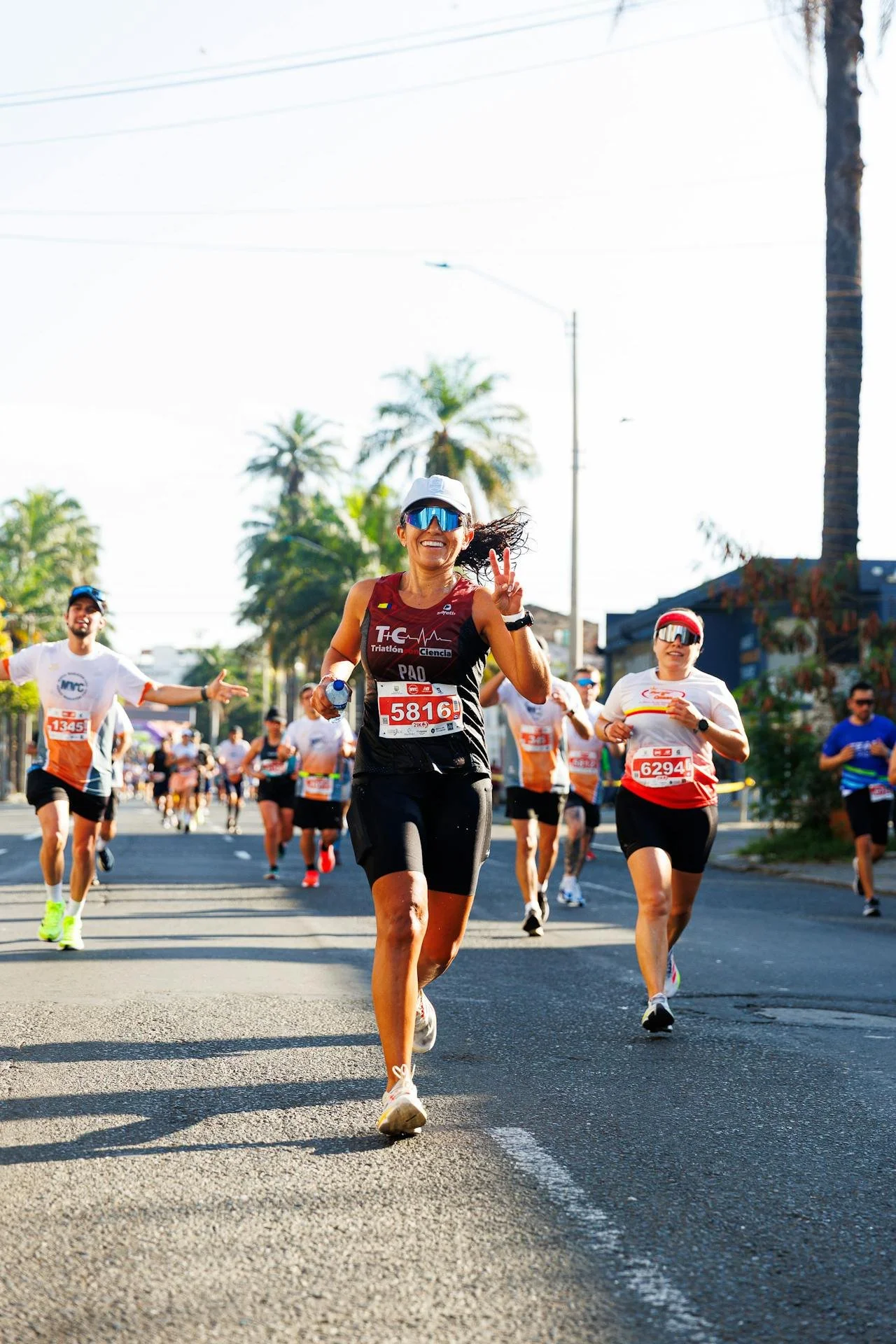
There are people of all races, ages, income levels, and many ability types running past. Some are decked out in state-of-the-art athletic gear and equipment. Others are running in plain shorts and a sports bra. Some runners have headphones and playlists; others move to the rhythm of the cheering crowds. Some people have a meticulous race strategy; others are running purely on LA vibes. Some runners carry their country’s flag; some runners have a lost loved one's face on their shirt.
This is the best of Los Angeles: people from wildly different backgrounds coming together to do something difficult, communal, and meaningful. It's a testiment to our shared cultural values of diversity and resilience.
The Stories We Don’t See As Marathon Spectators
What makes me emotional watching the Los Angeles Marathon is knowing that every runner carries a story.
I don’t know what most of those stories are. But I know they exist.
Some may be running after surviving cancer. Some after a major car accident that once made walking feel uncertain. Some may be carrying grief, heartbreak, trauma recovery, chronic illness, or the quiet triumph of having once hated their body and now asking it to carry them 26.2 miles.
No one reaches the finish line of a marathon without extraordinary mental strength. Running a marathon requires resilience, discipline, and the ability to keep going when your body and mind both want to quit.
As a trauma therapist and proud Angeleno, I can’t help but notice the parallels.
Resilience rarely develops in easy seasons of life. It grows when people face challenge, uncertainty, and setbacks and keep moving forward anyway.
The Power of Being Cheered On
What moves me just as much as the runners are the families and friends lining the race route. They cheer for everyone. But they go absolutely berserk when their runner comes by.
One moment that stuck with me this year was a teenage girl who ran a short section of the route with her mom as she approached the finish line.
I saw new dads pushing strollers alongside their racing spouses for a block or two.

I saw handmade signs among spectators declaring love and pride for a particular runner.
There were strangers cheering like lifelong friends.
Watching it made me wonder something:
What would happen if we all felt that supported when we were going through a difficult season of life?
What if the postpartum mom had an in-home cheer squad?
What if the person recovering from trauma had people voicing encouragement when they were triggered?
What if someone working through burnout or anxiety had a crowd reminding them they were strong enough to keep going?
When Someone Stumbles
Every year during the LA Marathon, someone collapses near where I’m standing. It’s always alarming for a moment.
But what happens next is beautifully predictable.
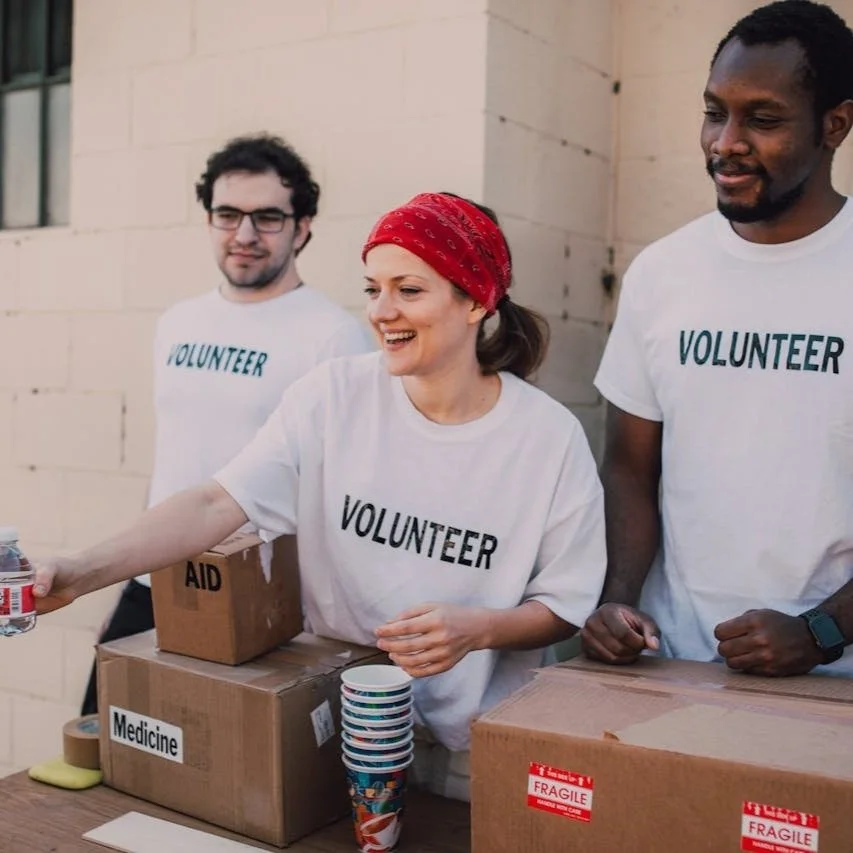
Race volunteers, medical staff, other runners, and spectators rush in to help.
Someone brings water. Someone helps stretch cramped muscles. Someone offers IcyHot or electrolyte packets. Someone offers strategy for getting back on the course.
Sometimes the runner gets up and continues.
Sometimes they don’t.
But they are never left alone.
No One Runs a Marathon Alone

Watching the Los Angeles Marathon also reminds me of something else: the unseen teams behind every runner.
Yes, runners follow training plans.
But runners rely on an entire ecosystem of support.
Running buddies who show up at 5am. Students Run LA teammates. Spouses who cover childcare or household responsibilities so training can happen.
Behind these runners are also thousands of trainers, physical therapists, team mates, occupational therapists, coaches, and mentors.
And yes, sometimes trauma therapists too.
There is a massive Los Angeles village behind every person attempting something this hard.
What the LA Marathon Reveals About Mental Resilience
One of the most striking things about the Los Angeles Marathon is that it makes mental resilience visible.
We tend to think of resilience as an internal quality; something abstract, private, maybe even a little vague. But at the marathon, you can see it happening in real time.
You see it in the runner who slows to a walk, then starts jogging again.
You see it in the face of someone who is clearly struggling but keeps moving anyway.
You see it in the people who adjust, regroup, take water, stretch, and return to the course with a new strategy.
As a trauma therapist in Los Angeles, I think about this often. Resilience is not the absence of distress. It is not never hitting a wall. It is not gliding through hard things untouched.
Resilience is the ability to stay in relationship with challenge without fully giving up on yourself.
That’s true in endurance sports. It’s also true in trauma recovery.
The people I work with in trauma therapy and EMDR therapy in Los Angeles are often not learning how to become invincible. They are learning how to recover more effectively from setbacks, regulate their nervous systems, and keep going even when healing feels slow.
That is real resilience.
And standing near the LA Marathon route every year reminds me that resilience is usually less glamorous than people think. It looks like discomfort, support, adaptation, and persistence. It looks like continuing.

Trauma Recovery Looks a Lot Like Marathon Training
Standing on the sidelines of the LA Marathon, I’m reminded of the best parts of my work as a trauma therapist.
Healing from trauma isn’t a straight line. It takes endurance. It takes resilience.
It takes learning how to keep moving forward when things feel painful, exhausting, or uncertain.
And most importantly, it rarely happens alone.
Just like marathon runners, people recovering from trauma often have a team around them: partners, friends, support groups, and therapists who help them process the experiences that shaped them.
One of the greatest privileges of my work as a trauma therapist in Los Angeles is getting to witness those journeys.
I get to see people who once felt stuck begin to move again.
I get to watch clients build emotional strength they didn’t know they had.
And sometimes - on the best days - I get to celebrate with them when they reach a finish line they once believed was impossible.
What Endurance Sports Teach Us About Trauma Recovery
The Los Angeles Marathon also reminds me that healing and endurance have a lot in common.
Neither happens all at once.
Neither is fueled by motivation alone.
Neither goes well when you ignore your body.
Marathon runners do not get to the finish line by pretending they are not tired. They get there by listening carefully, training consistently, respecting limits, and getting support when they need it.
Trauma recovery works in a similar way.
People often think trauma healing should be dramatic or linear. But more often, it looks like building capacity over time. It looks like learning when to push, when to rest, and when to ask for help. It looks like trusting that small, repeated efforts matter.
This is one reason I love watching the LA Marathon as a therapist. It is such a public display of something I see quietly in my office all the time.
People are capable of more than they think they are.
Not because they force themselves relentlessly. But because they adapt. Because they stay connected. Because they keep practicing. Because they don’t do it alone.
Whether someone is training for a marathon or working through trauma in therapy, the process is rarely about powering through. It is about building the kind of support, insight, and nervous system steadiness that makes hard things survivable.
That’s part of why I find the Los Angeles Marathon so moving every year. It reflects something deeply human: the willingness to keep going, and the importance of not having to do it by yourself.
Trauma Therapy in Los Angeles
At Laurel Therapy Collective, we provide trauma therapy and EMDR therapy in Los Angeles for people navigating anxiety, burnout, trauma, and major life transitions.
Like marathon training, healing happens one step at a time.
With the right support, people are capable of far more resilience and growth than they realize.
And sometimes all it takes to keep going is knowing someone is cheering for you.




At Laurel Therapy Collective, we offer more than EMDR therapy. Our team also provides burnout therapy, couples therapy, teen therapy, LGBTQ therapy, therapy for lawyers and other high-achieving professionals, and holistic therapy for people who want care that looks at the full picture. Whether you’re working through anxiety, relationship stress, identity questions, burnout, or the lingering effects of trauma, we help clients across Los Angeles, San Francisco, Santa Cruz, California, and Florida find an approach that fits their goals and nervous system.

The taiko drums start before 7am, though it feels more like 6am thanks to Daylight Savings. Soon after the drums, amplified music kicks in. Then come the news helicopters.
Living one block off the LA Marathon race route, I look forward to it every year.
And every year, I’m overwhelmed by the emotional beauty and complexity of watching the LA Marathon experience.