
The Toll of Constant Health Tracking: A Therapist’s Perspective
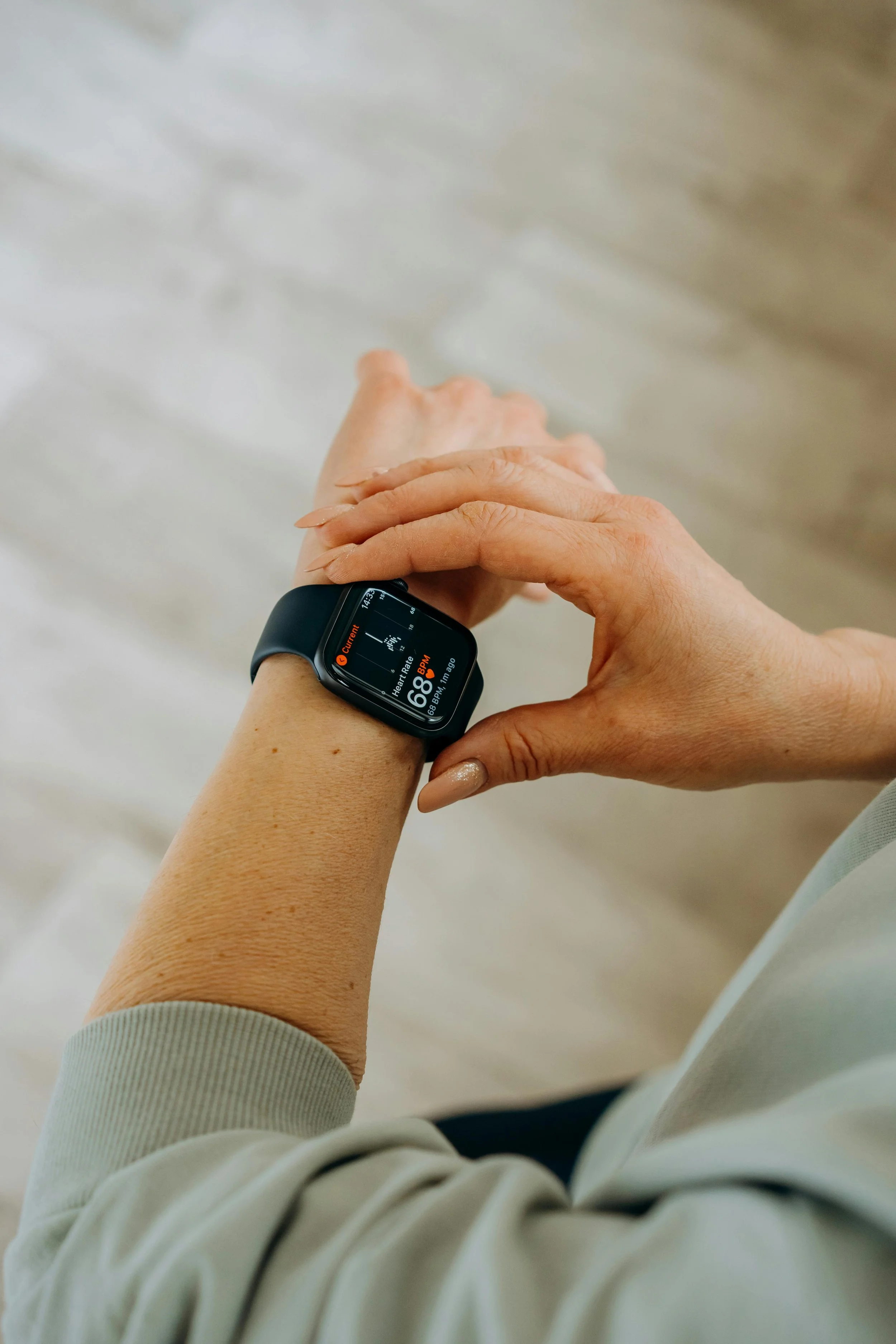
We are absolutely drowning in data about our bodies. From sleep scores to glucose monitors, it’s never been easier to track your body’s every move. Apps and devices promise to optimize your health, boost your mood, and help you “finally feel like yourself again.” But for people dealing with anxiety, burnout, or body image issues, constant self-monitoring can become another source of stress.
As holistic therapists, we see both sides. Data can be empowering. It can help identify patterns, track symptoms, and support medical decision-making. Sometimes we even recommend mood or symptom tracking so we can get a better idea of your personal landscape. But when tracking crosses into obsession or becomes something you can’t stop doing even when it’s making you feel worse, it’s time to check in.
Here’s what we encourage clients to consider about health tracking if they’ve started to feel more anxious.

Daniella Mohazab, AMFT
Daniella is a holistic therapist in California who works with anxiety, trauma, and burnout, including patterns of constant health tracking and hypervigilance around the body. She helps clients understand when monitoring habits shift from supportive to anxiety-driven, and supports them in rebuilding trust in their nervous system. Daniella emphasizes thoughtful preparation and pacing so clients can reduce health-related anxiety without feeling out of control.

Alexis Harney, LMFT
Alexis is a holistic therapist serving clients in California and Florida who struggle with anxiety, trauma, and compulsive self-monitoring behaviors. Her work focuses on helping clients step out of constant checking and into a more regulated relationship with their bodies. Alexis provides a calm, supportive space where clients can explore the roots of health tracking and develop steadier, less anxiety-driven ways of caring for themselves.
Health Tracking Can Make You Feel Like a Constant Project
Devices and apps often frame health as a personal improvement plan: every step counted, every minute of REM sleep measured, every food logged. The message is: you should be better than you are right now.
This can be motivating for some people. Goals like moving every day or getting enough sleep can be really helpful. But for perfectionists or people who feel like they’re already “behind,” tracking reinforces a sense of never being good enough. You’re not a machine. You’re a human being. And you’re allowed to just exist without optimizing.
Health Tracking Can Create Decision Fatigue
Tracking often starts out simple: just check your steps, your calories, or your sleep. But it rarely stays there. Soon, you’re choosing meals based on your macros, wondering if one bad night of sleep is why you’re irritable, or second-guessing your mood because your ring says you’re “under-recovered.”
Basic daily choices like what to eat, when to rest, whether to go for a walk come with extra mental labor. That level of hypervigilance can quietly wear you down.
More Health Data Doesn’t Always Equal More Control
Many people start tracking because they want to feel more in control. It can be helpful to identify patterns, like mood swings before or during your period, or sleep quality on weeknights. But tracking often increases anxiety, especially when the data doesn’t line up with how you feel.
What happens when you feel good, but your watch says you slept poorly? Or when your mood is low, but your food log is “perfect”? It creates cognitive dissonance and undermines your self-trust. Eventually, you start believing the numbers over your own experience. This can erode your internal sense of agency. You may start to skip over a self-checkin completely in favor of data. That's a problem. Above all, your connection to your body is what is valuable.




If You Have a History of Disordered Eating or OCD, Proceed with Caution
For people in recovery from eating disorders, orthorexia, or OCD, tracking can be especially risky. Calorie counters, food journals, and other “wellness” tools can become new forms of restriction or obsession.
It might feel healthier than past behaviors. But if your thoughts are constantly dominated by numbers, guilt, or rules, it’s worth unpacking with a therapist. Not all health tools support mental health. Some can quietly recreate old patterns in new packaging.
Sometimes Your Body Knows Better Than The Data
Part of healing from burnout, trauma, or anxiety is learning to listen inward instead of constantly checking for external validation. And sometimes, what your body needs most is not to be tracked. It needs rest without justification. Movement without metrics. Food without math.
Go for a walk without your phone. Sleep without your tracking ring. Enjoy a night out without logging your food.
You don’t need perfect data to be well. You need safety, consistency, compassion, self-trust, and sleep. You need connection. And you need space to live in your body.

You’re Allowed to Opt Out
If tracking helps you feel grounded or supports a medical condition you’re managing, that’s valid. But if it’s making you more anxious, more self-critical, or more disconnected from your body, it’s okay to take a break. You can pause the apps, take off the watch, close the spreadsheet and still be taking care of yourself.
Therapy can help you reconnect with your body from the inside out, not just the outside in.
Holistic Therpay In Los Angeles, San Francisco, and Throughout California and Florida
Feeling overwhelmed by health data or stuck in a cycle of self-optimization?
Our therapists specialize in therapy for burnout, anxiety, and body image concerns. Schedule a free consultation and get back to feeling like yourself—no tracking required.




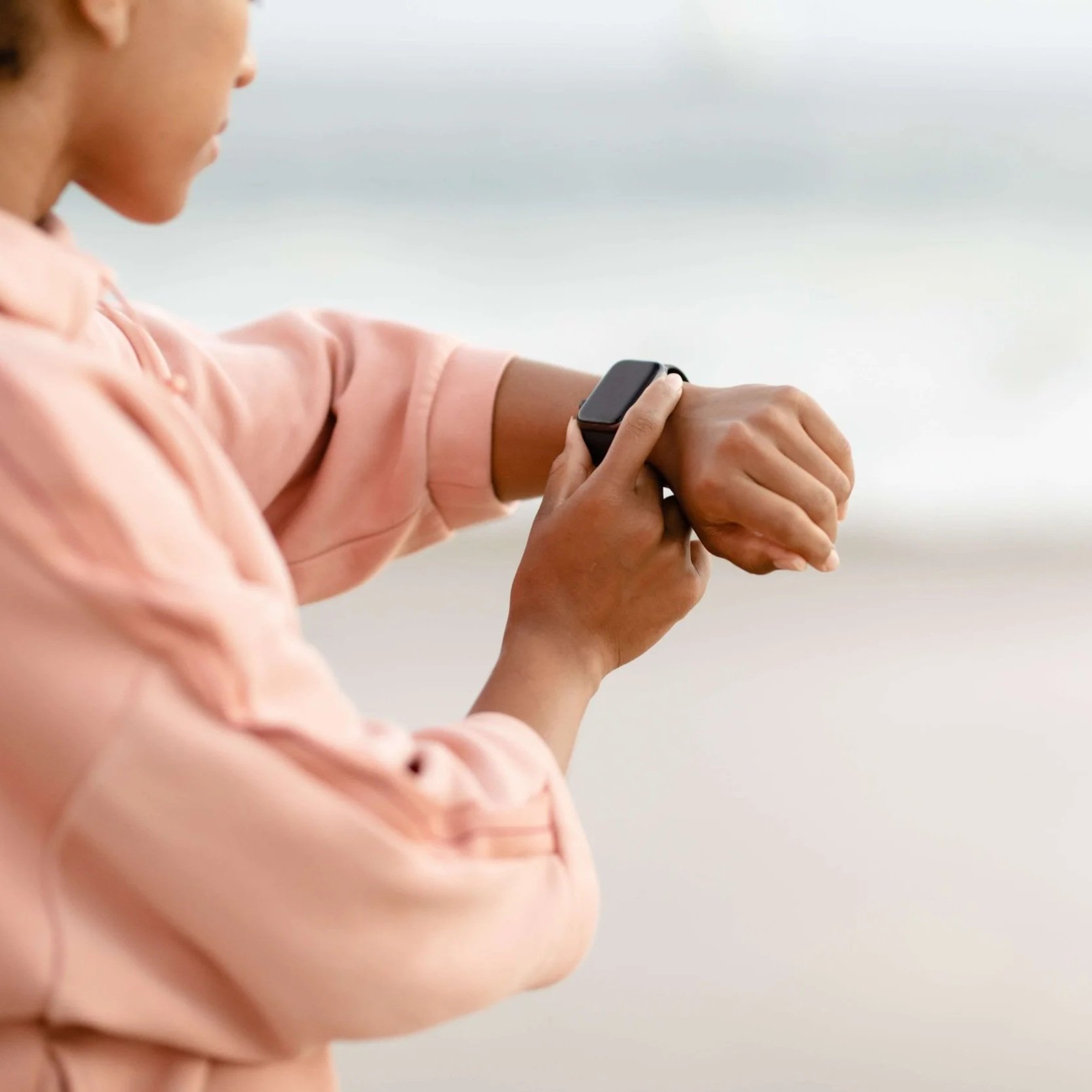












Obsessively checking your Oura ring, HRV, or glucose data? Learn why constant health tracking can fuel anxiety and how holistic therapy can help.