
Is This Self-Care or Medical Fatphobia? Questions to Ask Yourself Before Starting a New Health Routine

There's nothing wrong with wanting to feel better in your body.
Whether it's starting a new medication, joining a fitness program, or changing the way you eat, many people seek out health routines hoping for more energy, less pain, or a greater sense of control.
But in a culture that equates thinness with health, and with moral virtue, it can be hard to tell when a choice is truly for your well-being. These choices are often rooted in shame or outside pressure instead. That sets you up to fail, and it tends to deepen the shame and low self-worth that started the cycle.
We practice from a Health at Every Size (HAES) perspective, and we often help clients untangle this exact tension. They ask: Is this really what I want? Or is this what I've been told I should want? Below are a few questions to consider when you're weighing a new health decision, so you can check whether it lines up with your values or with internalized weight stigma.
A Quick Answer: How Do You Tell Self-Care From Medical Fatphobia?
The clearest test is your motivation. Genuine self-care comes from self-respect and a wish to feel better in the body you have. Medical fatphobia shows up when a choice is driven by shame, fear of judgment, or pressure to shrink yourself.
A few quick signals that a "health" decision may be rooted in weight stigma rather than care:
The focus is on the scale, not on your labs, symptoms, or how you actually feel.
The plan leaves no room to rest, adjust, or listen to your body.
You would not choose it if you knew your body would never change.
None of these mean you have done anything wrong. Our culture trains people to confuse thinness with worth. The point is to pause long enough to tell the two apart before you commit.

Alexis Harney, LMFT
Alexis is an EMDRIA Certified Therapist™ who works with adults processing trauma, anxiety, and long-standing patterns that haven't responded to other approaches. She stays current on the research and brings that perspective directly into her clinical work. She sees clients online throughout California and Florida.
Questions to Consider When You're Weighing a New Health Decision
1. Am I being told this is urgent only because of my weight?
Sometimes providers cite health concerns like high cholesterol, blood sugar, or blood pressure, and those may be very real. But if the focus is only on the number on the scale, and not on actual biomarkers or symptoms, that's a red flag.
Weight can correlate with some health conditions, but it isn't a behavior, and it isn't a diagnosis. A therapist who shares this perspective can help you push for care based on lab results, family history, and how you actually feel, rather than a BMI chart.
2. Do I feel more anxious or ashamed when I think about this decision?
There's a difference between being nervous to try something new and feeling like you're not "good enough" unless you change your body. If your motivation for starting a new routine is rooted in guilt, comparison, or fear of judgment, that's worth pausing to explore.
Self-care should feel like self-respect. If a new health plan stirs up old shame or body hatred, that can be a signal that the approach is the problem, not you.

3. Am I allowed to listen to my body and make adjustments?
Rigid plans that don't make room for individual needs, shifts in mood or energy, or personal preferences often lead to burnout and failure. If you're told that hunger is a problem to suppress, that rest is laziness, or that "no excuses" is the only acceptable mindset, that approach causes harm, even when it's framed as discipline.
A sustainable approach honors your body's cues. You're allowed to be tired. You're allowed to be full. You're allowed to need comfort. A therapist who works this way can help you build a relationship with health that is flexible, compassionate, and free of punishment.
4. Would this still feel like a good idea if I knew my body wouldn't change?
This is one of the most powerful questions you can ask. If you knew your body would stay exactly the same, with no weight loss and no "after photo," would the routine still feel worth it?
If the answer is no, the real motivation may be anti-fat bias rather than health. That doesn't make you shallow or bad. Our culture trains people to think this way. But it does mean the decision deserves a second look.
5. Am I being offered the same options and respect someone in a smaller body would receive?
Many people in larger bodies are offered restrictive diets, weight-loss medications, or even surgery before anyone asks about their sleep, stress levels, trauma history, or daily habits. A smaller person with the same symptoms might be offered physical therapy, labs, or a mental health referral.
If this sounds familiar, it isn't your job to silently endure it. Working with a therapist who understands medical weight stigma can help you process its emotional impact and build a plan for self-advocacy and care.
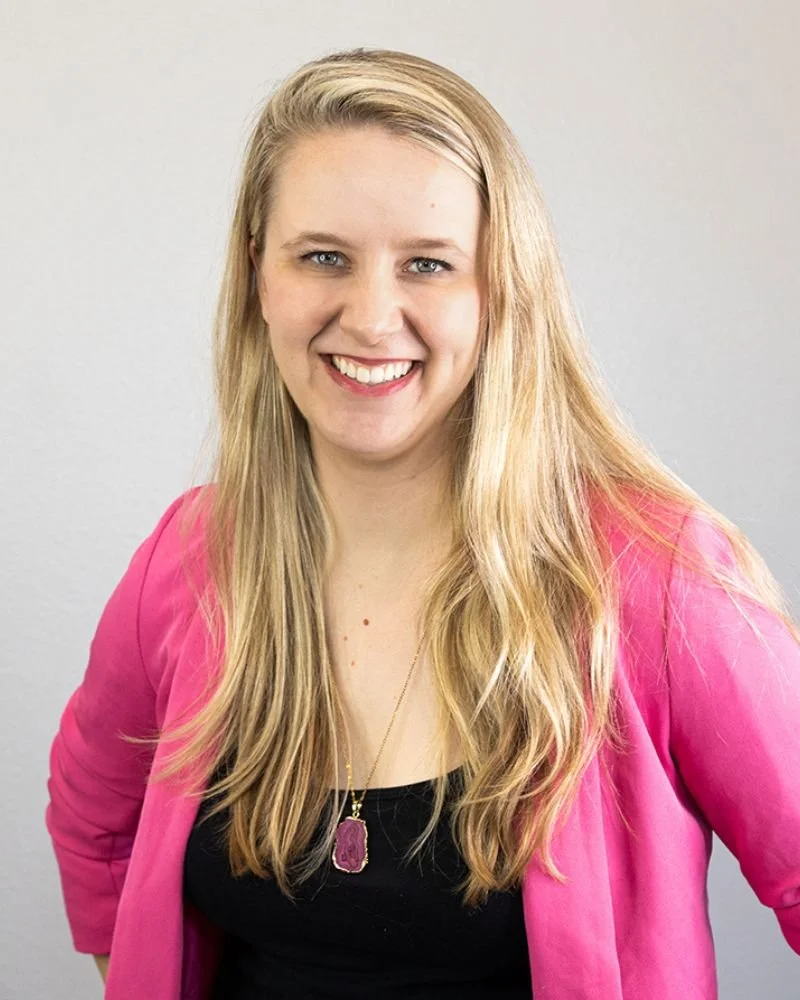
Laurel van der Toorn, LMFT
Laurel founded Laurel Therapy Collective and practices from a Health at Every Size perspective. She helps clients separate genuine health decisions from anti-fat bias, advocate for themselves in medical settings, and build a relationship with their body that isn't run by shame. Her work stays anchored in your values and how you actually feel, not a number on a scale. She sees clients online in California, Florida, and beyond.
Real Self-Care Is Rooted in Consent, Not Shame
Wanting to take care of yourself is a good thing.
But health choices driven by fear, pressure, or internalized fatphobia rarely lead to lasting well-being. You deserve care rooted in your values, your body's actual needs, and informed consent, rather than your appearance.
If you're unsure about starting a new medication, committing to a weight-loss plan, or saying yes to a surgery, a therapist who shares this perspective can help you separate what's genuinely helpful from what's been sold to you as "health."
Support That Doesn't Start With Your Weight
Our practice supports clients exploring body image, medical trauma, and self-advocacy in a culture that too often conflates weight with worth. We work from a Health at Every Size perspective, online in California, Florida, and beyond.
Schedule a free consultation to talk through your decision in a supportive, judgment-free space.
















Obsessively checking your Oura ring, HRV, or glucose data? Learn why constant health tracking can fuel anxiety and how holistic therapy can help.