

in the media
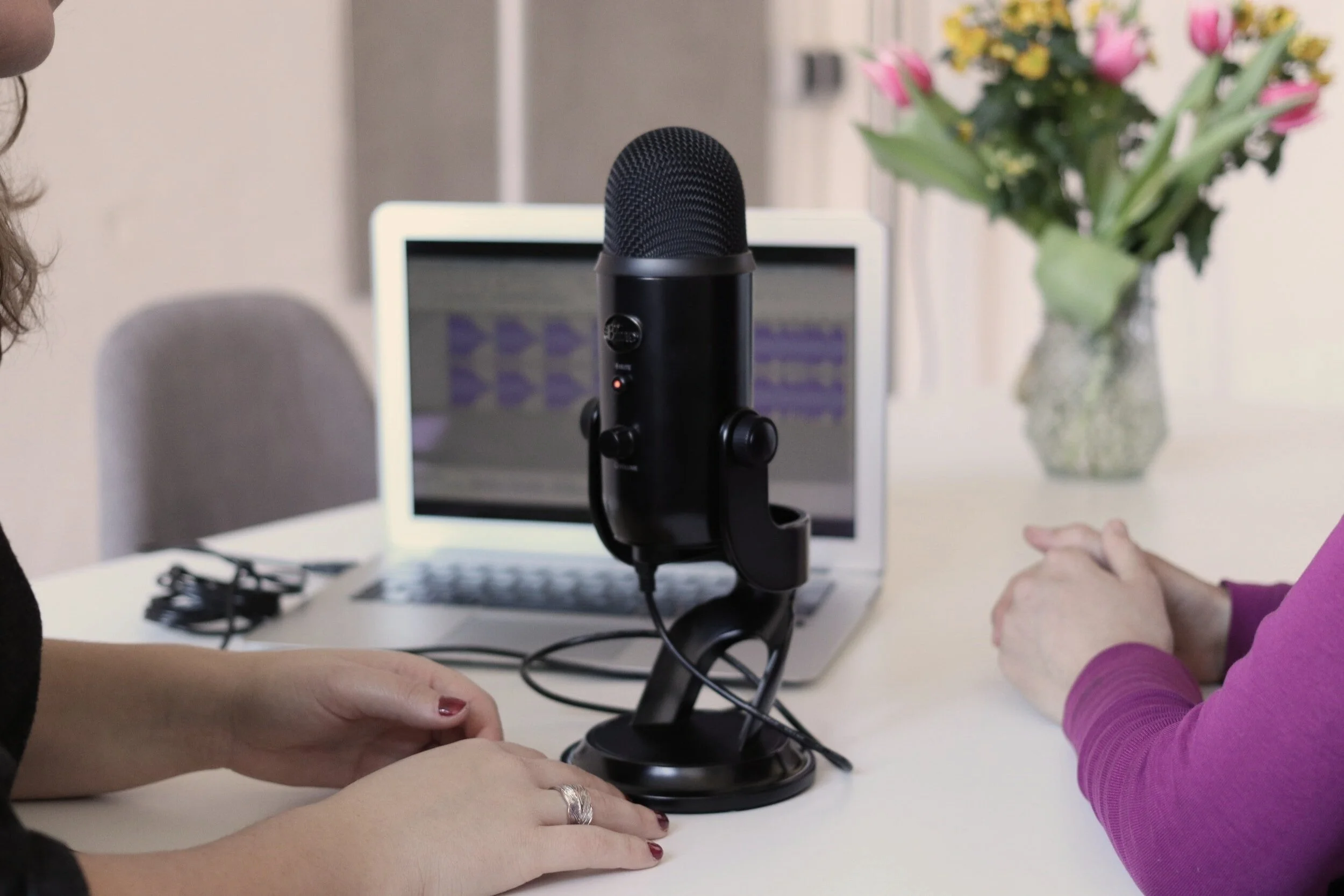
Our clinical director Laurel was featured in this Recovery.com podcast about trauma healing, EMDR therapy, and more!
Tune in to the latest
Listen to what our therapists are talking about on the latest podcasts, videos, and more!













Our clinical director Laurel was featured in this Recovery.com podcast about trauma healing, EMDR therapy, and more!
Listen to what our therapists are talking about on the latest podcasts, videos, and more!
When a life path disappears — through diagnosis, infertility, divorce, or a derailed dream — the grief is real even when no one has died. A therapist explains ontological loss.
If you have ever been in a relationship with a narcissist, you know the emotional cycle well. One moment the relationship feels promising. Your partner is warm, present, and hopeful. The next moment something shifts and you feel shut out, blamed, or dismissed. You go from believing the relationship could finally work to feeling like you will never get your needs met.
One of the most common things people say when they're considering EMDR therapy is some version of: I'm not sure this will work for me because I can't really remember what happened.
The memory is hazy. Or partial. Or there's no narrative at all, just a feeling, a physical response, a vague sense that something is wrong without a clear story attached to it.
That concern makes sense. It's also based on a misunderstanding of how EMDR works, and more broadly, of how trauma is stored.



Burnout has become so common among high achievers that many people assume it is simply part of adulthood. Feeling exhausted all the time? Normal. Struggling to concentrate? Normal. Dreading work but pushing through anyway? Also normal.
Except it is not.