
The Difference Between Feeling Calm, Numb, and Dissociated in EMDR Therapy

Clients often tell their EMDR therapist, “I felt calm during that set,” only to realize later that they were actually numb or starting to dissociate.
These states can feel similar in the moment, but they affect trauma therapy very differently. Understanding the distinction helps you communicate with your EMDR therapist, stay grounded in session, and get the most benefit from EMDR therapy.
In EMDR therapy, we spend a lot of time helping clients understand what is happening in their bodies during reprocessing.
Calm, numb, and dissociated states each tell us something important about your nervous system and what it needs in order to stay safe and effective during trauma therapy.
What Calm Feels Like
Calm is a regulated state. Your nervous system is steady and responsive. You may feel settled or more spacious inside your body.
Signs you are calm:
You can feel your breath without effort
You are aware of the room without anxiety
You can feel emotions without overwhelm
You experience shifts, insights, sensations, or memories
You can stay connected to the present moment
You can talk through what you are noticing
This is a great place to start EMDR therapy from. Calm means your system has enough capacity to revisit a memory without crossing the threshold into shutdown.
We don't expect our EMDR therapy clients to stay calm throughout an entire processing session.
That wouldn't be effective for processing, as the desensitization phase requires intentionally getting activated. But we want clients to have access to feelings of calm at some point.

What Numb Feels Like
Numbness is often mistaken for calm because it involves a lack of intense emotion.
But numbness is not regulation; it is a protective response. Your nervous system is trying to reduce emotional intensity by pulling away from sensation.

Alexis Harney, LMFT
Alexis is an EMDRIA-certified EMDR therapist who works with adults processing trauma, anxiety, and long-standing patterns that haven't responded to other approaches. She pays close attention to how clients move between regulated and dysregulated states during processing and adjusts pacing accordingly. She sees clients online throughout California and Florida.
Signs you are numb:
Your body feels muted or distant
You cannot locate any clear sensations
You feel disconnected from your emotions
You are aware of the memory but cannot feel it
You notice a blankness or deadened quality
You find yourself “trying to feel something”
Numbness is not wrong. It is a sign your system needs more preparation or support before continuing.
An experienced EMDR therapist will slow down the process, build resources, and help you reconnect safely before returning to reprocessing.
This is an essential part of the eight-phase model.
If it gets skipped, proceed with caution.
What Dissociation Feels Like
Dissociation is a stronger form of disconnection. While numbness flattens emotional experience, dissociation pulls you out of the present entirely.
You may feel foggy, far away, or even like you are watching yourself from the outside. In EMDR therapy, dissociation means your nervous system has moved into a protective freeze state and needs grounding before any productive work can continue.

Signs you are dissociating:
You cannot track the therapist’s words
Time feels slow, fast, or distorted
You feel floaty, far away, or heavy
Your thoughts become fragmented or distant
You feel like you cannot move or speak
You lose the thread of what you were talking about
Dissociation is a common response for people with trauma histories. It simply means your EMDR therapist needs to guide you back into a grounded state.
Why These Distinctions Matter in EMDR Therapy
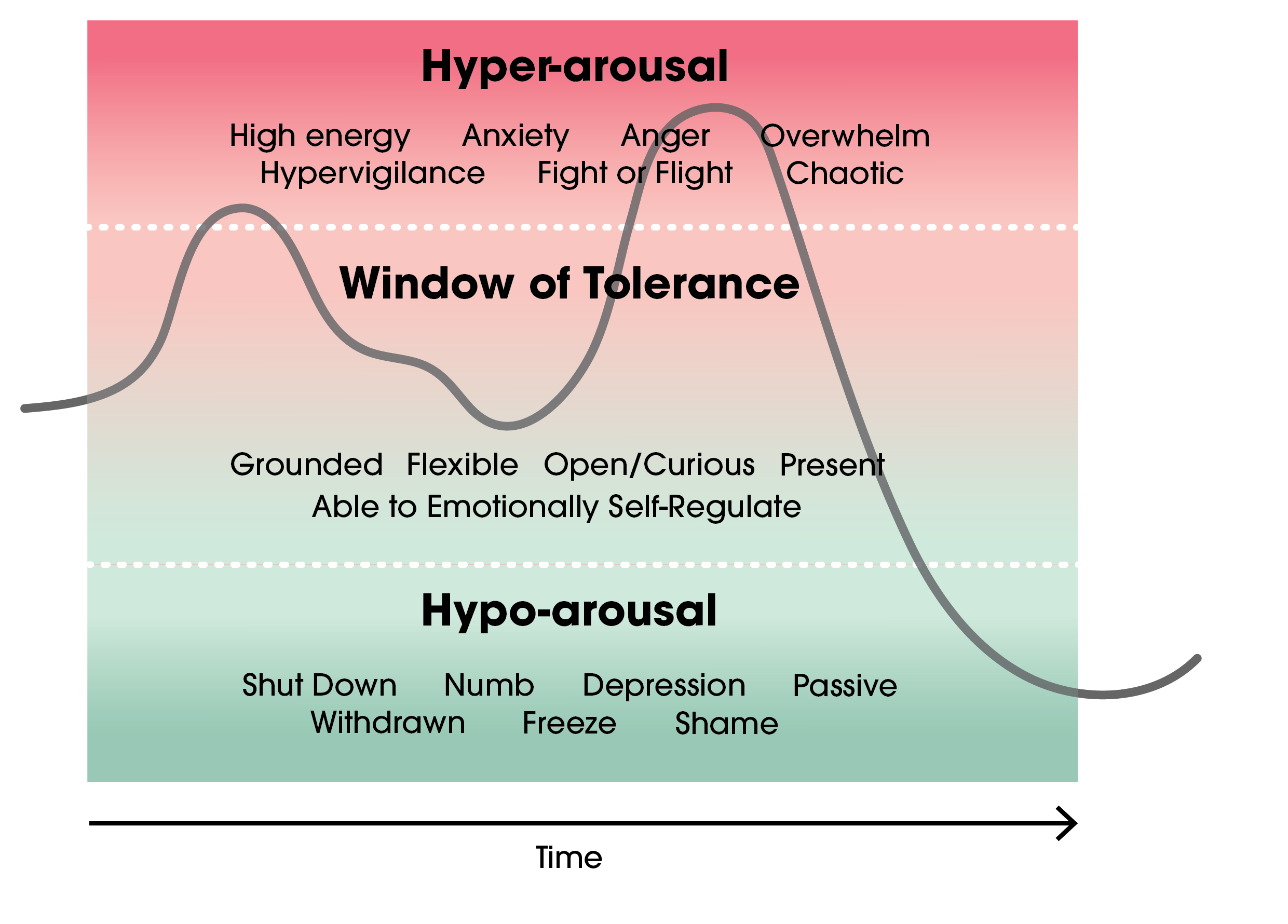
Good EMDR therapy depends on your ability to stay within the “window of tolerance.”
Calm keeps you inside the window.
Numbness suggests you are drifting toward the edges.
Dissociation means you are outside it.
Each state requires different support.
If you are calm, your EMDR therapist can continue reprocessing.
If you are numb, your EMDR therapist may help you:

Laurel van der Toorn, LMFT
Laurel is an EMDRIA-certified EMDR therapist. She is the founder of Laurel Therapy Collective and a trauma therapist specializing in EMDR. She is licensed in California, Colorado, Florida, Michigan, Texas, and Washington, and sees clients online throughout those states.
Notice sensations
Use grounding tools
Engage the breath
Strengthen resourcing
Reconnect to the present moment
If you are dissociated, your EMDR therapist will pause reprocessing and focus entirely on safety and stabilization.
Once your system returns to regulation, EMDR therapy becomes effective again.
What You Can Tell Your EMDR Therapist in Session
Clear communication helps your trauma therapist match the pace and method to your capacity.

Tatevik Sarkisian, AMFT
Tatevik works with adults navigating trauma, anxiety, and burnout using EMDR and other trauma-informed approaches. She brings particular attention to the preparation and resourcing phases, helping clients build the stability they need to stay inside their window of tolerance during processing. She sees clients online throughout California.
You might say:
“I feel present and aware.” (calm)
“I feel blank and disconnected.” (numb)
“I feel far away or foggy.” (dissociated)
“I am losing track of the room.”
“I cannot sense my body right now.”
“Everything feels distant.”
These statements give your EMDR therapist what they need to keep the session safe and effective.
Numbness and Dissociation During EMDR Therapy Are Not Your Fault
Clients sometimes blame themselves when they go numb or dissociate during EMDR therapy.
It's understandable to feel frustrated when something disrupts your progress in trauma therapy. But the reality is simple: your body is protecting you.
This protection is not a failure; it's a sign that your system is working exactly as it was designed to. Numbness and dissociation are adaptive coping strategies.

Daniella Mohazab, AMFT
Daniella works with adults navigating trauma, anxiety, and the kind of pain that has been sitting around longer than it should. She is attentive to signs of numbing and dissociation during EMDR processing and knows how to slow the pace and restore grounding when the nervous system signals it needs support. She sees clients online throughout California.
Your brain is doing a little too good a job protecting you.
Your EMDR therapist’s job is to help you build the capacity to stay present during processing. Your job is simply to share what you notice.
See also: How To Answer Your EMDR Therapist's Questions
Final Thoughts
The difference between calm, numb, and dissociated states matters greatly in EMDR therapy.
All three are understandable responses to trauma, and none of them mean you are doing anything wrong. With the right pacing, preparation, and support, EMDR therapy can help you stay connected enough to do the work without becoming overwhelmed.
EMDR Therapy In San Francisco, Los Angeles, and Throughout California & Florida
If you are looking for an EMDR therapist who understands these patterns, our trauma therapists offer online EMDR therapy throughout California, including EMDR therapy San Francisco and EMDR therapy Los Angeles.
We use a resource-heavy, client-centered approach to help pace trauma therapy effectively.
Schedule a free consultation to learn how EMDR can help you reprocess safely and effectively.












Burnout has become so common among high achievers that many people assume it is simply part of adulthood. Feeling exhausted all the time? Normal. Struggling to concentrate? Normal. Dreading work but pushing through anyway? Also normal.
Except it is not.