
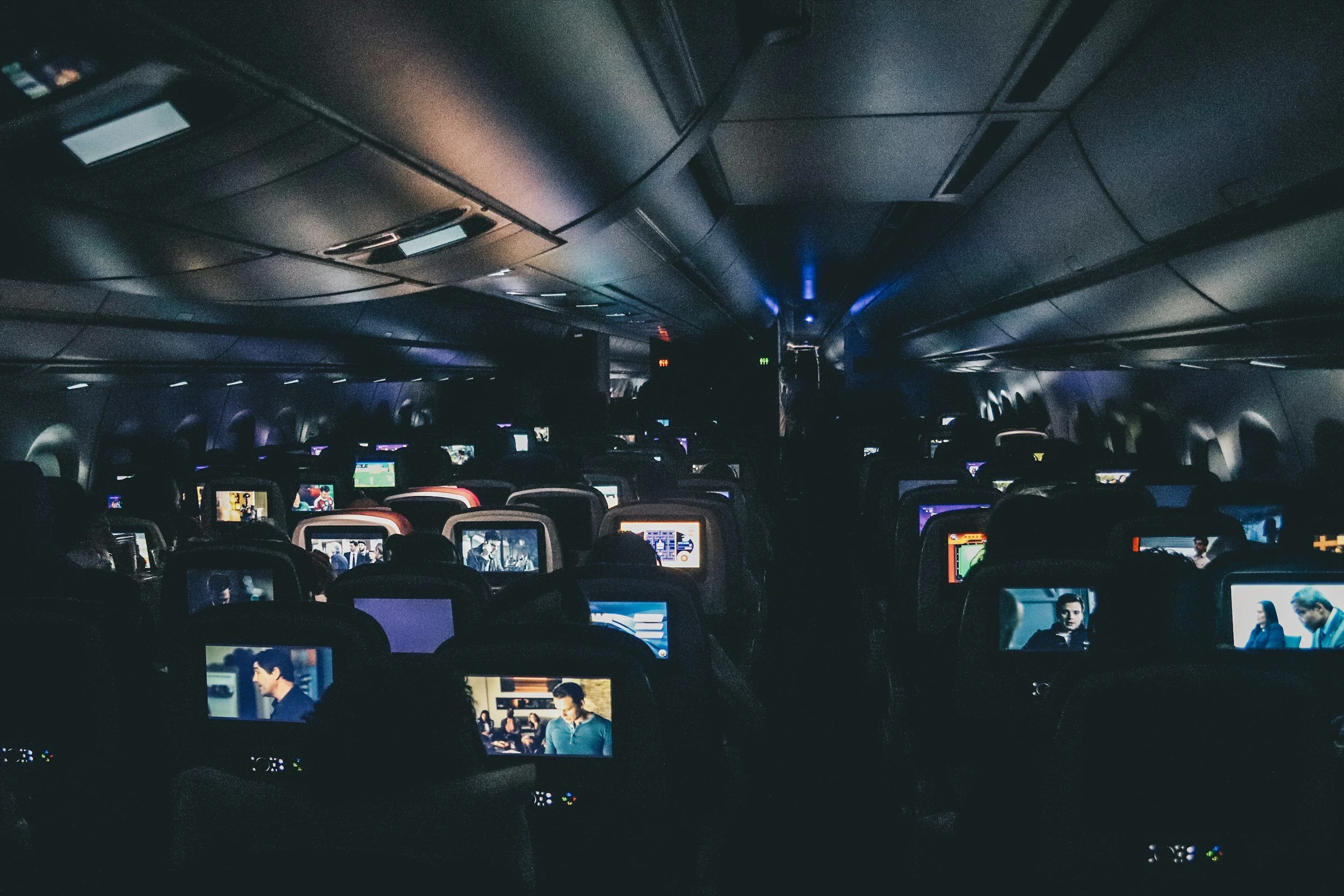
EMDR can help with fear of flying, and with other phobias too: heights, needles, public speaking, driving after an accident.
Fear of flying is one of the phobias we see most. For many people the dread starts long before the airport, well before any turbulence or tight cabin. Booking a flight can bring on panic, bad sleep, or intrusive thoughts, and it can keep you from work trips, family, and vacations.
At Laurel Therapy Collective, we use EMDR and trauma therapy to go after what's driving a phobia, so your body can stop treating the thing you fear as an emergency.
"I Thought I Was Just Being Dramatic"
Liam had always loved to travel. In his twenties, he flew often for work and never thought twice about it. Then one flight hit severe turbulence.
Nothing catastrophic happened. The plane landed safely. After that, booking a flight started to feel impossible. He would check the weather over and over, read aviation forums late into the night, and picture worst-case scenarios in vivid detail. In the days before a trip, he barely slept. At the airport, his hands shook. Once seated, he monitored every sound, every bump, every look on the flight attendants' faces.
Part of him knew this didn't make sense; another part felt sure that flying was now dangerous.
In EMDR therapy, we found that the turbulence had set off something older: an intense fear of being trapped and powerless that showed up in other parts of Liam's life too.
As we processed the original flight and the feeling underneath it, his nervous system began to respond differently. He stopped scanning for danger every second. He could imagine flying without a wave of panic. Eventually, he booked a short flight.
He was still nervous on the trip, and he went anyway.
Liam still doesn't love turbulence (nobody does). He travels again.
This story is a composite of experiences we see often.

Daniella Mohazab, AMFT
Daniella is an EMDR therapist in California who works with anxiety, trauma, and phobias, including fear of flying. She takes a steady, creative approach to EMDR therapy, with an emphasis on preparation so clients feel supported before working with distressing sensations or memories. Daniella helps clients reduce panic responses and build confidence so travel feels more manageable rather than overwhelming.

Alexis Harney, LMFT
Alexis is an EMDRIA Certified Therapist™ who works with adults processing trauma, anxiety, and long-standing patterns that haven't responded to other approaches. She stays current on the research and brings that perspective directly into her clinical work. She sees clients online throughout California and Florida.
Why Flying Feels So Scary
Usually it's a mix of things. Fear of flying doesn't always come from one bad event like a rough flight or an emergency landing. Some people come by it through experience, some seem hard-wired with a fear of not being in control, and for some it's a trauma response to 9/11. The usual ingredients:
Loss of control. You're thousands of feet in the air, trusting people and systems you can't see.
Claustrophobia. Tight spaces, limited exits, no control over the temperature, and a crowded cabin can spike panic.
Fear of panic itself. Many people are less afraid of the plane than of having a panic attack mid-flight with no way out.
Catastrophic thinking. Anxious brains jump to the worst case. A small bump or an odd noise can set off thoughts of disaster.
These reactions are real, and you can't talk yourself out of them, because they live in your nervous system.
Fear of Flying Lives in Your Body
Your body often knows about the fear before your mind catches up. Many clients describe:
Chest tightness or shortness of breath when they think about flying
Feeling frozen, panicky, or dissociated on a plane
Checking the weather, engine types, or flight stats over and over
Avoiding travel even when they want to go somewhere
These are signs your body has attached outsized danger to flying, and that's the part EMDR goes after: how your body reacts, along with what you think. If panic shows up in other parts of your life too, our anxiety therapy page covers how we work with it more broadly.
How EMDR Helps With Phobias
EMDR (Eye Movement Desensitization and Reprocessing) was first developed to treat trauma and PTSD, and it can also help with phobias and anxiety responses, especially when the fear is tied to a past experience or feelings that never got processed.
A phobia often starts with an incident, or a string of them, that your brain filed as dangerous. The danger didn't have to be rational. Someone who sat through a turbulent flight may have that flight stored as a highly distressing memory, so the brain sounds the alarm every time flying comes up.
EMDR helps your brain go back and reprocess that memory so it can be stored like most of your other memories. You don't have to tell your therapist every detail of what happened. EMDR uses bilateral stimulation, meaning side to side eye movements or tapping, to switch on your brain's own processing. We know how that sounds. We've just seen it work too often to stay skeptical (you're welcome to stay skeptical for now).
The Three Main Steps
We find the roots of the fear. Maybe it was a turbulent flight a few years ago. Maybe it's about control, safety, or feeling trapped. Your therapist helps you trace the emotional hot spots fueling the fear now. Let your therapist lead this part; please don't try to dig for triggers on your own.
You reprocess those experiences. While you hold the memory or trigger in mind, your EMDR therapist guides you through sets of bilateral stimulation. Your brain begins to unstick from the fear-based memory, and over time it loses its emotional charge. You're in control the whole time and can stop whenever you want, and there's no hypnosis involved.
We help your brain take in more helpful beliefs. In place of "I'm not safe" or "I'm going to die on this flight," we help your brain take in beliefs like "I can handle this" or "My fear doesn't define me."
Because EMDR works with your nervous system, many clients find the shifts go deeper than what they got from talk therapy alone.

Other Phobias EMDR Can Help With
The same steps can help beyond airplanes. Snakes, needles, heights, public speaking, getting sick: the specifics change, and the method stays the same. Your therapist finds what's feeding the fear, then reprocesses it until the alarm quiets down.
Fear of Heights
Some people with a fear of heights went through a frightening fall or a moment in a precarious spot. For others it seems to come built in. Either way, EMDR targets the physical experience of the fear, so being up high can start to feel more manageable.
Fear of Public Speaking
It's one of the most common fears there is, and it often grows out of past embarrassment, ridicule, or criticism, like a talk that went badly or harsh comments from peers. EMDR finds and reprocesses those memories, which can ease the fear of being judged or making a mistake in front of people. After this work, many people find they can speak in public with much less dread.
Fear of Needles
Needles aren't supposed to be in our skin, and sometimes they hurt, so the fear makes sense. You still need vaccines and blood draws, and EMDR can help you get through them without feeling totally overwhelmed. You won't love being a pin cushion, but it can help you stop sweating your annual flu shot.
Fear of Driving
After a car accident, driving can set off the same alarm the crash did. EMDR can help reprocess the memory of the accident, so your brain files it as something that happened in the past. With less charge on that memory, it's less likely to set off fear the next time you get behind the wheel.
What to Expect From EMDR for a Phobia
Whatever the fear, the process looks similar, though everyone's pace is different. EMDR for a phobia like fear of flying usually includes:
Preparation and grounding tools you can use on a flight
Identifying past memories or messages linked to your fear
Reprocessing those memories with bilateral stimulation
Practicing new, calmer responses to the thing you fear
For a simple, single phobia, many people see results in 6 to 12 sessions. More complex fears take longer. It can still take time, and there's no magic bullet. Along the way, you may find you're more willing to book a flight, less anxious in the days before, and calmer on the trip itself.


EMDR With Us, Online in California and Florida
Alexis Harney, LMFT, is an EMDRIA Certified Therapist™ who works with adults on trauma, anxiety, and long-standing patterns that haven't responded to other approaches, and she sees clients online in California and Florida. Daniella Mohazab, AMFT, is EMDR trained, working toward certification, and sees California clients only. She works with anxiety, trauma, and phobias, including fear of flying. She puts a lot of weight on preparation, so you feel steady before working with hard sensations or memories.
If your flight is a few weeks out, or you just want to know whether EMDR fits your fear, start with a free 20-minute consultation.

















Yes, for many people. What named studies say about online EMDR, how bilateral stimulation works on video, and what happens if you get overwhelmed. (146 characters)