
Choosing a Clinician for EMDR: What to Look For and What to Ask

If you’re searching for trauma therapy in the Bay Area, you’ve probably come across EMDR therapy.
Short for Eye Movement Desensitization and Reprocessing, EMDR is a highly researched and effective treatment for trauma, PTSD, and emotional activation, among other things.
But like any therapy, your experience depends largely on finding the right fit.
So how do you find a great EMDR therapist in San Francisco? Here's what you should know and what questions to ask.
Why Searching For A Good EMDR Therapist Can Feel Overwhelming
Finding an EMDR therapist in San Francisco can feel surprisingly overwhelming, especially if you are already anxious, activated, or unsure what kind of therapy you need. Many people come into this search wanting someone who is both highly skilled and genuinely grounding. Plus there are seemingly thousands of credentials, modalities, and approaches.
Trauma therapy is not just about credentials; it is about whether you feel safe enough with someone to do vulnerable work well.
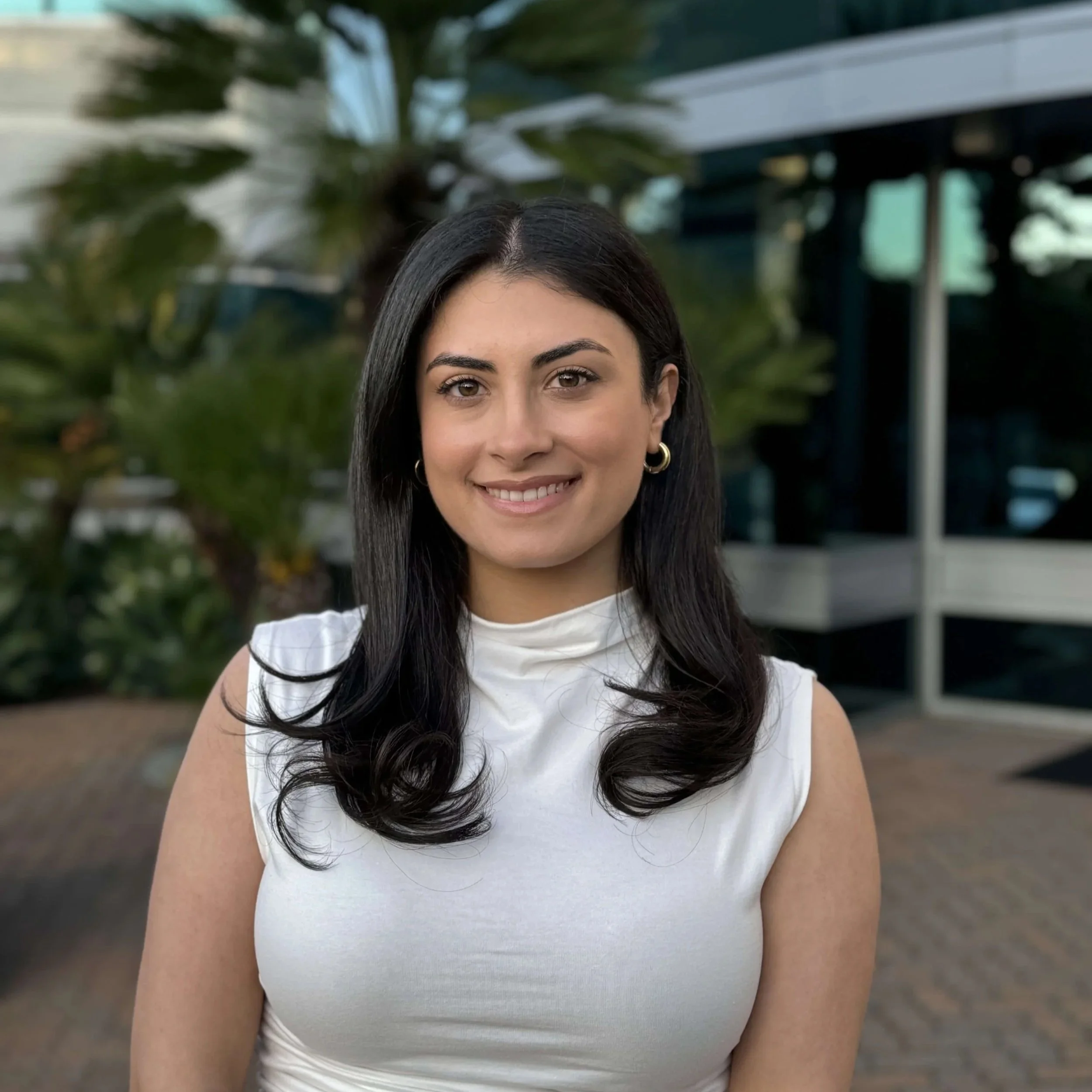
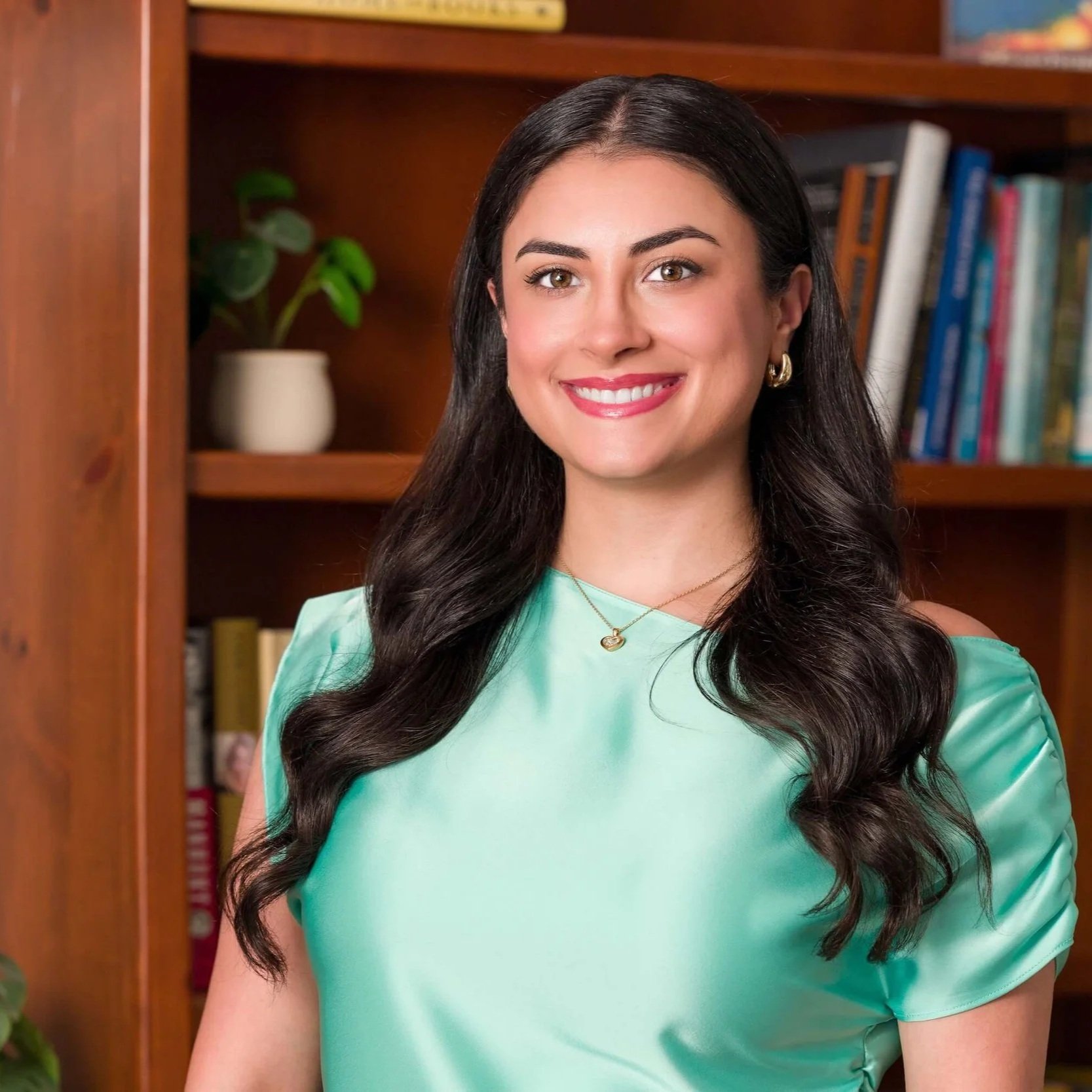
Tatevik Sarkisian, AMFT
Tatevik offers EMDR therapy in San Francisco with warmth, clarity, and careful attention to the therapeutic relationship. She works with adults navigating trauma, burnout, and life transitions, helping clients feel emotionally supported and better able to process the experiences that continue to affect them.
What Makes EMDR Therapy Different
Unlike traditional talk therapy, EMDR helps the brain reprocess traumatic experiences so they no longer feel stressful in the present. It uses bilateral stimulation, such as eye movements, tapping, or sound tones, while you recall pieces of distressing memories. Over time, this helps reduce the intensity of painful emotions and physical sensations.
EMDR therapy neutralizes the bad memory without erasing any of the learning or benefit of the experience.
Because EMDR is powerful, it needs to be delivered by a well-trained clinician. This makes choosing the right EMDR therapist especially important.
The Search Can Be Confusing
Rachel* knew she wanted trauma therapy, but every EMDR therapist’s website sounded similar. Everyone said they were trauma-informed. Everyone said they were compassionate. What she didn’t know was how to tell who would actually pace the work well. In her first consultation with one therapist, she was told they could “start processing right away.” In another, the therapist spent time explaining resourcing, what the first phase of treatment would look like, and how they adjusted EMDR for complex trauma. Rachel left the second consultation feeling more informed and more settled in her body. That feeling turned out to matter.
*Name and details changed.
What To Look For in an EMDR Therapist
Here are some things to keep in mind when searching for EMDR therapy in San Francisco:
EMDRIA Training and Certification
Look for therapists trained through an EMDRIA-approved training program (the EMDR International Association). These training programs are extensive and require a minimum of 50 hours of hands-on training and consultation. If you have complex trauma, you may also want your EMDR therapist to be EMDRIA-certified. Certification isn't a requirement for great EMDR, and many skilled EMDR therapists opt not to pursue certification because it is costly and takes many years. Even if your EMDR therapist isn't certified, they should be engaging in regular consultation.

2. Trauma-Informed Approach
A great EMDR therapist doesn’t just know the protocol; they also understand how to pace trauma work. This includes preparing you with resourcing skills and not rushing into memory processing before you’re ready.
This is one of the most commonly overlooked steps in EMDR therapy, and one we take seriously at Laurel Therapy Collective.
3. Proper Pacing For EMDR Therapy
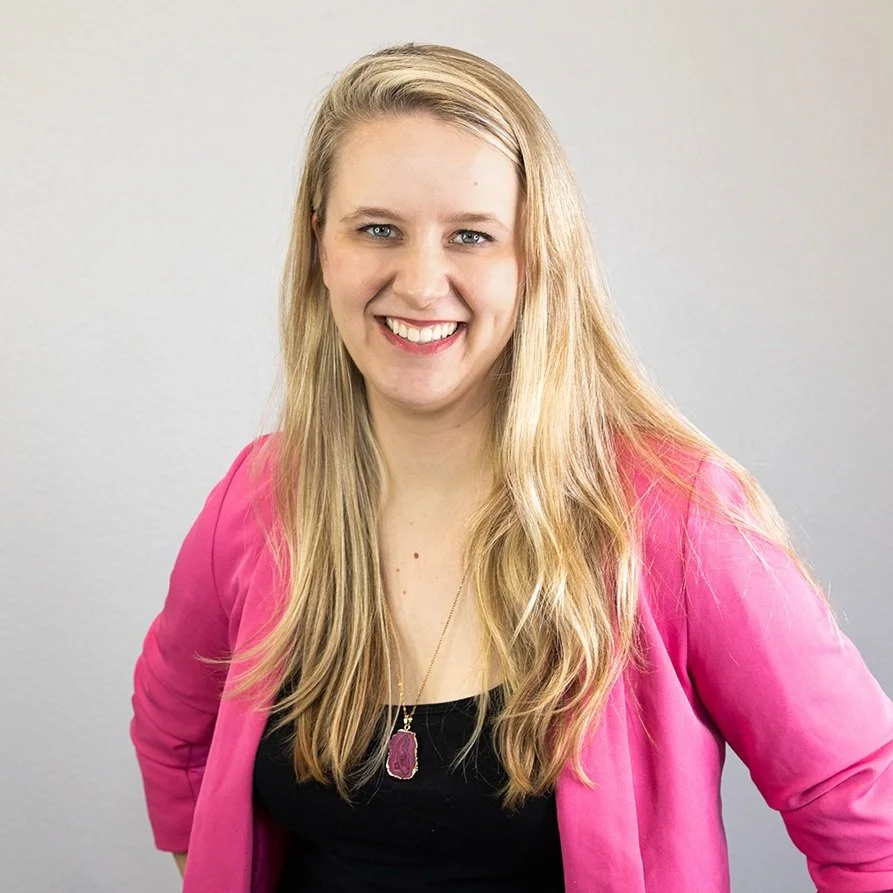
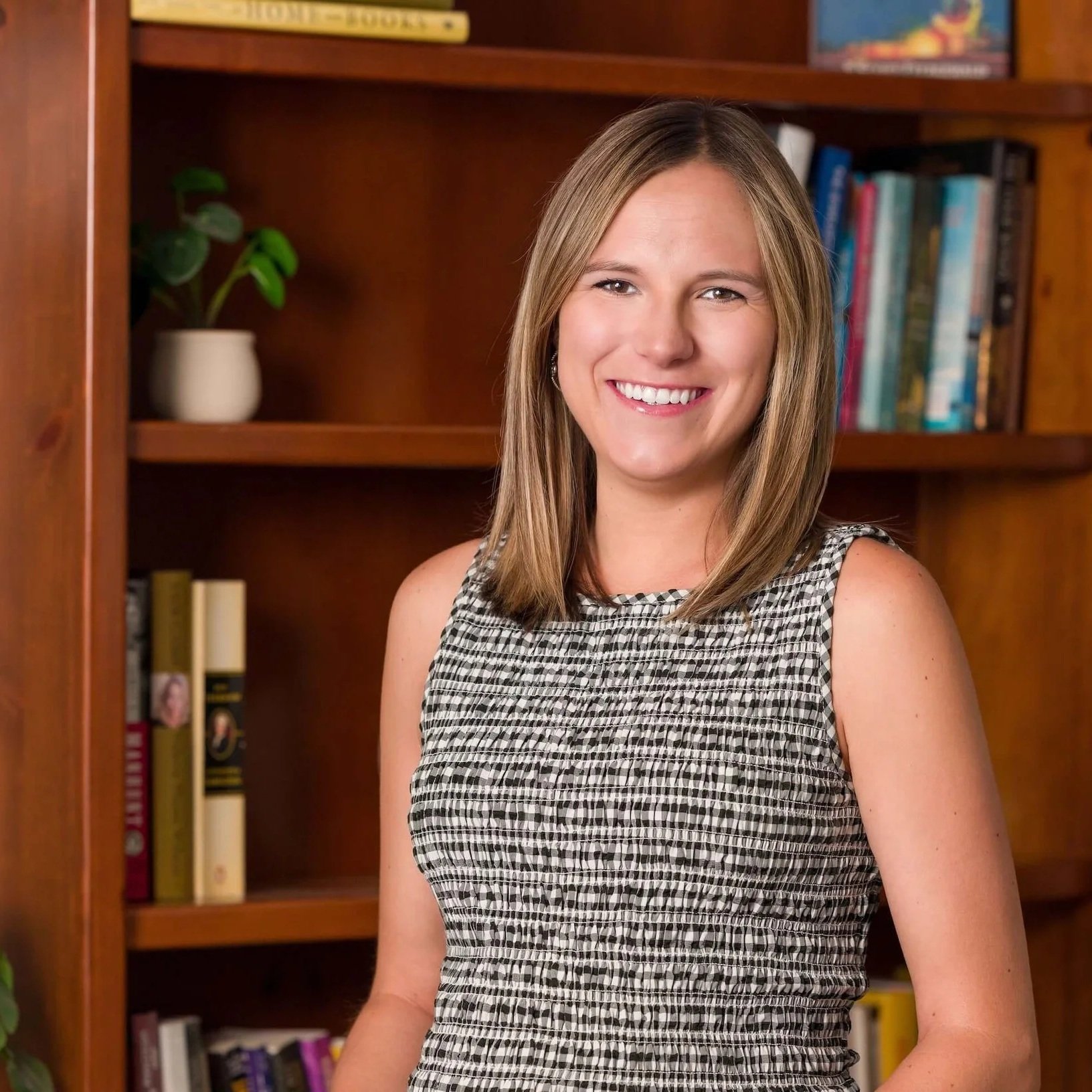
Laurel van der Toorn, LMFT
Laurel is an EMDRIA Certified Therapist™. She offers EMDR therapy online to clients in California, Florida, Colorado, Michigan, Texas, and Washington.
A trauma-informed EMDR therapist understands that going too fast can backfire. They know how to help clients build internal resources, assess for dissociation, and recognize when a memory network needs more preparation before reprocessing. Good EMDR is not about getting to the “hard part” as quickly as possible. It is about helping your nervous system feel steady enough to do the work safely.
4. Experience With Complex Trauma
Many EMDR trainings focus on single-incident trauma, like car accidents, natural disasters, or assaults. If you’re seeking help for childhood trauma, attachment wounds, or events that had multiple points of stress, make sure your EMDR therapist has experience with complex trauma. Trauma can also be complex when multiple incidents in a similar theme have happened to you.
Working with complex trauma is a specialty. Multiple therapists in our practice are experienced with complex trauma and engage in ongoing training to stay sharp.

5. Comfort and Connection With Your EMDR Therapist
Feeling safe and comfortable with your EMDR therapist is non-negotiable. EMDR therapy requires vulnerability, so choose someone you can be honest with about your reactions, questions, and fears. Research shows this accounts for 80% of the success of therapy.
What a Good EMDR Consultation Should Feel Like
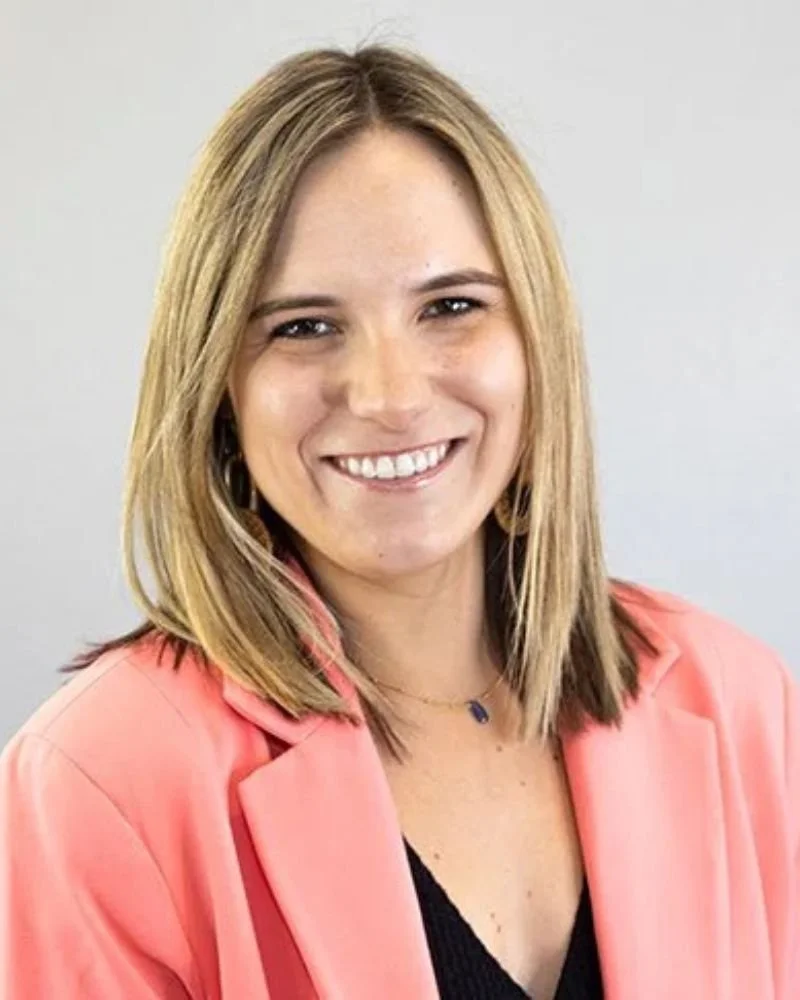
Alexis Harney, LMFT
Alexis is an EMDRIA Certified Therapist™ who works with adults processing trauma, anxiety, and long-standing patterns that haven't responded to other approaches. She stays current on the research and brings that perspective directly into her clinical work. She sees clients online throughout California and Florida.
A consultation is not just a time for the therapist to assess you. It is also a chance for you to notice how your body and mind respond to them.
A good EMDR consultation should leave you feeling more informed, not more confused. You do not need to feel instantly bonded, but you should have a clearer sense of how the therapist works, whether they take your concerns seriously, and whether they can explain EMDR in a way that feels grounded and understandable.
You might leave thinking:
They actually answered my questions
I understand the process better now
I didn’t feel rushed
They seem to take preparation seriously
I could imagine being honest with this person
Red Flags to Watch Out For In An EMDR Therapist
When looking for EMDR therapy San Francisco, be cautious if you notice any of these warning signs:
The therapist jumps into trauma processing right away without preparation
They minimize your concerns or push you faster than you want to go
They can’t clearly explain how EMDR therapy works and what to expect
They don’t provide grounding or coping strategies
They don't engage in ongoing consultation
They sound overly confident or overly formulaic
Good EMDR therapists know that the prep phase is just as important as the reprocessing phase.
If a therapist talks about EMDR as though it works the same way for every person, guarantees a timeline, or makes it sound like a plug-and-play protocol, be cautious. Good EMDR therapists usually speak with both confidence and humility. They know the method is powerful, and they also know trauma work needs flexibility.
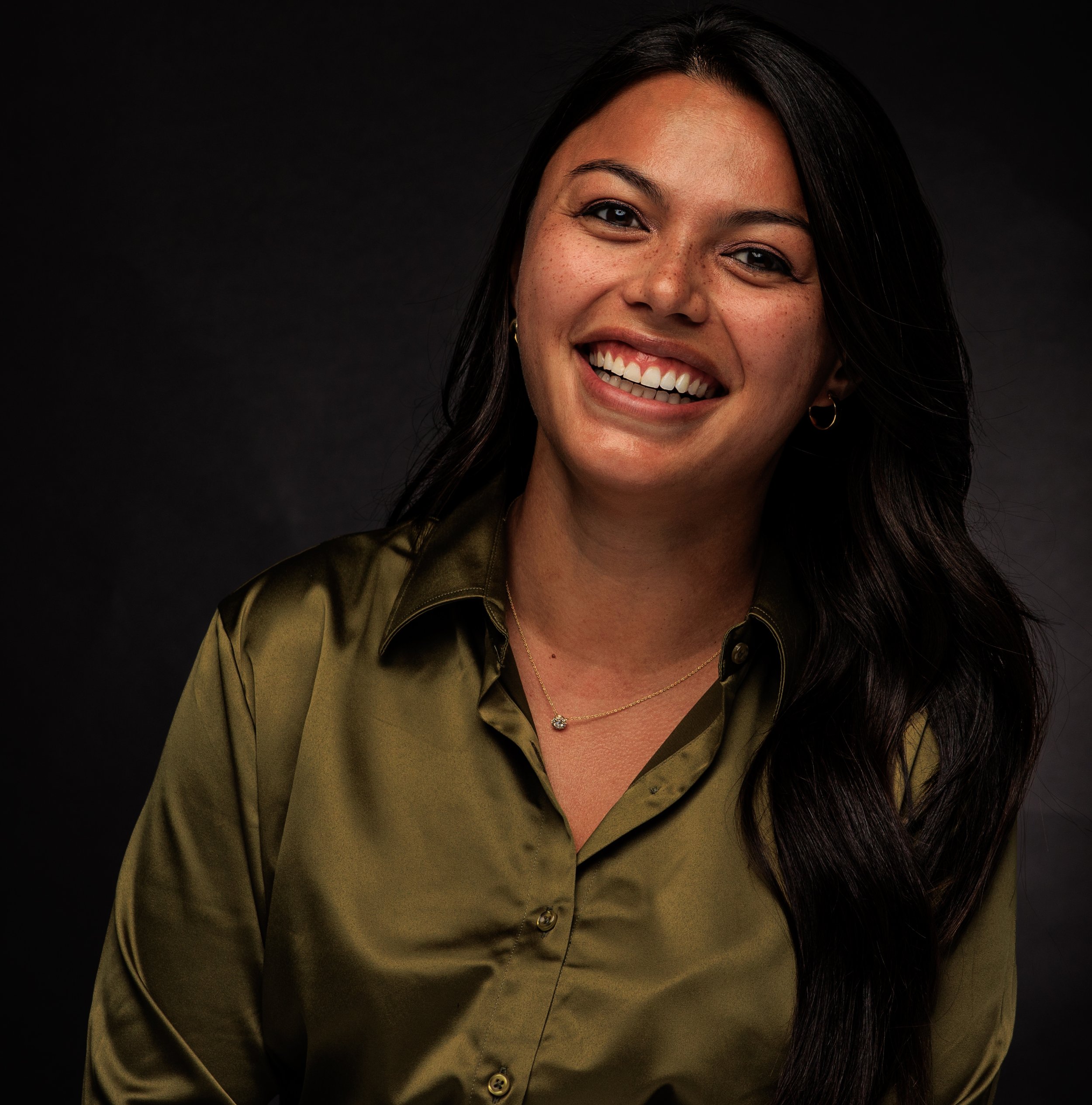
Daniella Mohazab, AMFT
Daniella is an EMDR therapist in California who helps clients work through trauma, anxiety, and relational stress with steadiness and care. She prioritizes preparation and pacing in EMDR therapy so clients feel supported and resourced before moving into deeper trauma processing.
Green Flags in an EMDR Therapist
In addition to watching for red flags, it can help to know what strong EMDR therapy often looks like.
Green flags include:
they talk about preparation and resourcing early
they explain EMDR clearly and without jargon
they welcome questions
they do not rush you
they have experience with the type of trauma you want to address
they speak thoughtfully about pacing and nervous system regulation
you feel a little more settled, informed, or hopeful after talking with them
Questions to Ask Before Starting EMDR Therapy
Do you engage in ongoing EMDR consultation and training? This question shows if your EMDR therapist takes their craft seriously and if they have a place to discuss cases where they feel stuck or uncertain.
Do you work with clients who have complex trauma, or mostly single-event trauma? This helps you determine if your EMDR therapist is the right fit for what you're looking for. Most EMDR therapists can handle a single-incident trauma quite well. But unfortunately, a lot of trauma is thematically linked and therefore requires some skill to target and process using EMDR therapy.
What can I expect in the first few sessions? This question helps reveal if your EMDR therapist can clearly communicate about the process. If they take resourcing and preparation for EMDR therapy seriously, they'll mention it when you ask this question. You'll likely hear something along the lines of "it's different for everyone, but in general I start with a history collection..." Ironically, if a therapist is TOO concrete with their response and guarantees a timeline or specific reaction, that might be a warning sign that they don't understand the complexity of EMDR therapy processing. There is no "plug and play" with EMDR therapy, and if they view it that way, they are not doing a thorough assessment and preparation phase.

How do you make sure clients don’t feel overwhelmed during EMDR therapy?
This is a more direct question about resourcing. Sadly, many EMDR therapy training programs under-emphasize resourcing, leading to skipped or rushed preparation.
A common topic of discussion in EMDR therapy consultation groups is resourcing and preparation strategies. Asking directly about resourcing will reveal a lot about your EMDR therapist's approach.
Asking these questions can give you a sense of whether someone will be a supportive fit for your healing journey.
See also: Will EMDR Therapy Be Too Intense For Me?
EMDR Therapy in San Francisco


Finding a great EMDR therapist in San Francisco can feel overwhelming at first, but it is worth taking your time. The right therapist will not just be trained; they will help you feel safe, prepared, and respected throughout the process. EMDR therapy is powerful, but the quality of the relationship and the pacing of the work matter just as much as the modality itself.
Looking for EMDR therapy in San Francisco?
At Laurel Therapy Collective, we specialize in trauma recovery, burnout treatment, and EMDR therapy. Our team of highly trained EMDR therapists supports clients throughout California, including San Francisco and Los Angeles.
Schedule a free consultation to learn more about how EMDR therapy can help you heal.










FAQs About EMDR Therapy In San Francisco
How do I know if an EMDR therapist is qualified?
Look for EMDRIA-approved training, ongoing consultation, and experience with the kind of trauma you want to work on. Certification can be a plus, especially for complex trauma, but it is not the only sign of competence.
Should I choose a certified EMDR therapist?
Not necessarily. Many excellent EMDR therapists are not certified because certification takes extra time and expense. The more important question is whether the therapist has strong foundational training, ongoing consultation, and a thoughtful approach to trauma work.
What if I have complex trauma?
If you have childhood trauma, attachment wounds, dissociation, or multiple traumatic experiences, you may want a therapist who explicitly says they work with complex trauma. Not every EMDR therapist is equally comfortable with that level of complexity.
How many sessions before EMDR processing starts?
It varies. A good therapist will not rush this. Some clients need only a few sessions of preparation; others need much longer. The right timeline depends on your nervous system, trauma history, and current stability.
Our Other Holistic Therapy Services In California & Florida
At Laurel Therapy Collective, we offer more than EMDR therapy. Our team also provides burnout therapy, couples therapy, teen therapy, LGBTQ therapy, and holistic therapy for adults who want care that addresses both the emotional and nervous system impact of stress and trauma. Whether you are dealing with anxiety, relationship struggles, burnout, or the lingering effects of painful past experiences, we help clients across San Francisco, Los Angeles, Santa Cruz, California, and Florida find an approach that feels thoughtful, effective, and well matched to their needs.

Burnout has become so common among high achievers that many people assume it is simply part of adulthood. Feeling exhausted all the time? Normal. Struggling to concentrate? Normal. Dreading work but pushing through anyway? Also normal.
Except it is not.